This guide helps you evaluate dental care options by focusing on key decision factors like clinical suitability, supplier transparency, and pricing logic. Objectively, “Pacote” and related dental service terminology typically refer to bundled treatments or coordinated care plans. “Scheila Correia Silva” is presented here as an identified name within the topic context, without assuming additional claims.
If you’re comparing a dental “pacote” (often called bundled care, a care bundle, or a coordinated plan), the temptation is to start with price. However, a bundled dental offer is still healthcare, and healthcare decisions must start with clinical fit. Put simply: cost can only be judged after you know what you’re actually buying—clinically, operationally, and in terms of accountability if something doesn’t go as expected.
In practice, the highest-value questions are not “Is it cheaper?” but “Does it match what you need, and does the provider clearly own the steps and outcomes?” A responsible evaluation starts with whether the proposed treatment plan corresponds to your diagnosis and risk profile, whether the materials and timeline are described with enough detail to prevent surprises, and whether the supplier’s responsibilities are explicit across the full episode of care—from the first consultation through follow-up after completion.
From a decision-making standpoint, this means you should evaluate three foundational pillars first:
When those pillars are missing, even a low stated price can create downstream costs: extra appointments due to incomplete scope, rework because the wrong materials were used or the wrong sequence was followed, delays caused by undefined lab timing or unclear referral coordination, and—most importantly—higher clinical risk if diagnostic findings weren’t documented or considered.
Within the scope of Scheila Correia Silva, this article treats the name as a referenced identifier in the topic area. It does not claim affiliation, accreditation, or personal endorsement. Instead, it focuses on objective ways patients and decision-makers can assess dental service “pacotes” using professional, safety-first criteria.
A dental “pacote” (care bundle) usually combines multiple services into one coordinated offering. Providers may bundle steps such as initial assessment, diagnostic imaging, preventive care, and restorative or other procedures into a single plan with one “package” price. The promise is convenience and predictability: scheduling becomes easier for patients, and clinical workflow becomes more structured for clinics.
But the real value of a bundle is not simply that items are grouped. It’s whether the bundle remains internally consistent. In a well-constructed plan, diagnosis informs procedure selection; procedure selection informs expected healing phases and timing; and timing aligns with material selection, lab turnaround (if relevant), clinician availability, and clinical standards. When that chain breaks—when a clinic bundles services without tying them to your diagnosis—you can end up with mismatched expectations.
Common bundle components include:
Some packages are “complete” in the sense that they specify the most common steps for a certain condition; others are “partial bundles” that only cover initial phases, then charge separately for later phases if additional needs arise. Your task is to distinguish between these types by requesting a written scope and exclusions list.
Price is only meaningful in healthcare when it is tied to a measurable scope. A responsible dental package should communicate what the stated price corresponds to—what is included, what is excluded, and under what conditions the included services remain valid.
Ideally, the offer clarifies at least the following:
A common problem is that marketing language makes a bundle appear “all-inclusive” while the scope is actually conditional. For example, a package might price a restoration set assuming a stable bite and adequate gum health; if those are not present, the package may require extra steps (gum treatment, bite adjustments, additional imaging) not covered by the original price.
When a provider states a price without a corresponding scope statement, consumers are left to “guess” what the package includes. In healthcare procurement terms, ambiguity increases clinical risk and administrative friction—meaning you can be forced to make decisions without full information, and later you may discover that the bundle doesn’t cover what you assumed it covers.
One practical approach is to treat “price” like a contract component. Ask for an itemized quotation. If the supplier cannot provide one clearly, ask for clarification in writing. If they still refuse, consider it a risk indicator rather than a negotiable inconvenience.
Dental care often involves multiple stakeholders: the clinic performing chairside procedures, possibly an external lab for crowns/bridges/prosthetics, and sometimes internal specialists or referral partners. That complexity is exactly why supplier transparency matters.
A responsible supplier should be able to explain:
In many bundled plans, the patient is promised a “one price” solution, but responsibilities might be split behind the scenes. For example, a clinic might do the exam and the chairside parts, while a lab provides the prosthetic. If the lab element does not fit properly, you need clarity on who manages remake or adjustment and what is included.
This is also where a name like Scheila Correia Silva may appear in communications, proposals, or records. However, your practical assessment should remain anchored to institutional responsibility and clinical governance—rather than treating a person’s name as proof that a process is safe or comprehensive. In other words: names can be part of documentation, but quality is tied to protocols, qualified staff, clarity of scope, and accountability mechanisms.
For patient protection, focus on the following:
When a request references a city or country, it can be treated as nearby—a practical placeholder for regional selection logic. For patients, “nearby” is not only about convenience; it influences follow-through, time-to-treatment, and the clinic’s ability to maintain continuity if your plan requires multiple visits.
Even well-designed packages can be disrupted by real-life constraints—work schedules, family responsibilities, travel time, and transportation availability. Therefore, “nearby” affects:
In many communities, patients expect clear communication and predictable scheduling. Especially if your bundle includes procedures that have healing phases—such as extractions, periodontal stabilization, or lab-based prosthetics—clinics in your nearby area should be able to provide an actionable calendar plan. That calendar plan should not be merely verbal; it should be written or at least clearly confirmed before you sign or pay.
When comparing suppliers in your nearby area, pay attention to their operational reliability:
Professionals in healthcare operations evaluate dental service quality through clinical documentation practices, standardized treatment pathways, and feedback loops that support continuous improvement. For patients, you can translate these concepts into practical checks that reduce uncertainty.
Rather than relying on slogans, confirm the presence of quality infrastructure:
It’s important to understand that a care bundle can be a positive structure—when it improves coordination. But the more items included in a bundle, the higher the need for coordination and documentation. A lack of clarity can compound quickly. For example, if the package includes multiple restorative steps but fails to account for gum inflammation or occlusion changes, you can end up with repeated adjustments.
Quality evaluation also benefits from comparing “process signals”:
These signals often reflect whether the provider has a mature clinical governance system—meaning your care is supported by structured decision pathways rather than ad-hoc improvisation.
The table below compares common package components with the verification you should request. It is designed to help you evaluate supplier transparency and conditions/requirements without relying on marketing language.
| Package Element | What It Should Include (Ideal) | Verification Request (Practical) |
|---|---|---|
| Initial assessment | Recorded exam findings and diagnosis statement | Ask what clinical findings guide the package plan |
| Imaging/diagnostics | Relevant imaging based on your case | Ask which imaging is included and why it’s appropriate |
| Preventive steps | Defined preventive procedures with timing | Request the exact preventive actions and duration |
| Restorative/procedural work | Clear description of procedures and material category | Ask how materials are selected and what options exist |
| Laboratory work (if any) | Responsibility for lab fabrication and fit checks | Ask who handles the lab and how adjustments are managed |
| Scheduling | Realistic appointment timeline | Ask for an estimated schedule and rescheduling policy |
| Follow-up | Defined re-evaluation plan | Ask when you’ll be reviewed after completion |
| Terms and conditions | Written conditions for adjustments and scope changes | Request a written scope statement and change conditions |
| Total “price” | Itemized total with exclusions clearly stated | Ask for a breakdown and confirm what is not covered |
To make the table more actionable, treat each row as a requirement to document. If a provider answers verbally but cannot provide written detail, ask for at least a written confirmation via quote, email, or a signed plan document.
Use the steps below to compare dental “pacote” options methodically. This is a patient-oriented decision workflow that aligns with standard healthcare procurement principles: define scope, validate clinical appropriateness, and confirm operational terms.
When comparing in your nearby area, also confirm logistics: clinic hours, emergency contact process, how quickly they schedule urgent rechecks, and whether the same team will manage your case through completion or whether care shifts between multiple providers.
Dental packages can be affected by clinical findings discovered during the initial phase. Therefore, conditions and requirements should be explicit before you commit. Common conditions include eligibility prerequisites, scope-change triggers, and attendance-dependent outcomes.
Common conditions include:
Another subtle risk is “conditional promises.” A package might imply that a certain number of visits is guaranteed, but then add language that the number can change if your condition differs. That isn’t automatically wrong—dental disease evolves and clinical findings can change. The problem is when the provider does not define exactly what changes mean, how additional work is priced, and whether rework is included for failures within the bundle’s scope.
If a supplier avoids written terms, or if the price appears without a clear scope and exclusion framework, treat that as a risk indicator—not a negotiation advantage. In healthcare settings, ambiguity tends to favor the provider after the fact.
Ask yourself: “If the worst reasonable clinical variation happens in my case, will I still know what is included and what isn’t?” A mature provider anticipates variation and documents change conditions upfront.
A dental “pacote” typically includes a coordinated set of services—such as assessment, certain diagnostic steps, preventive care, and specified procedures—priced as a bundle. The exact contents vary by supplier, so you should request a written itemized scope and exclusions, along with visit counts and follow-up expectations.
No. “Price” can be misleading if the scope differs. Compare offers only when they include the same procedures, diagnostic requirements, follow-up expectations, and exclusions. If one package includes additional preventive steps or follow-up adjustments, the price may be higher but the clinical value may be comparable—or better.
Ask who performs each step, whether any laboratory work is involved, and who manages it. Confirm what the clinic’s policy is for adjustments and follow-ups. Also ask how responsibilities are documented: do you receive a written plan with accountability for each component? A reputable provider will document responsibility clearly rather than leaving it to verbal reassurance.
No. A person’s name may appear in communications, proposals, or records, but clinical outcomes depend on qualified professionals, documented procedures, clinical governance, and continuity of care. Quality is determined by the structure of care, the clarity of scope, and the accountability mechanisms—rather than by an individual name alone.
Ask about eligibility criteria, scope-change triggers, follow-up requirements, material definitions, and what happens if clinical findings differ from initial assumptions. Also ask whether missed appointments impact warranty or whether certain services are time-dependent (e.g., lab fabrication windows).
It affects follow-up attendance and continuity. If your treatment requires multiple steps and you may need adjustments, choosing a clinic in your nearby area can reduce missed visits and delays for re-evaluation. It also improves the chance that the same clinic or team maintains your record continuity across the entire package.
Request written scope and terms, an appointment timeline outline, documented clinical findings (or explanations), and post-care instructions. If imaging is used, clarify how it is stored and whether you can receive copies. If a warranty or adjustment policy exists, request that policy in writing as well.
Yes. For general guidance on oral health and evidence-based care principles, you can consult public health agencies and professional bodies. In many regions, organizations such as the World Health Organization (WHO) and national dental associations publish patient-facing guidance and prevention-oriented recommendations. For quality governance concepts, health system frameworks and clinical guideline publications from recognized institutions are valuable starting points.
To keep the discussion grounded, it’s important to distinguish between consumer “marketing claims” and clinically relevant standards. Specific package pricing is provider-dependent and not universally standardized. However, the broader concept—bundled care, coordinated diagnosis-to-treatment pathways, and documented follow-up—is widely aligned with healthcare quality principles.
In a well-run system, a bundled plan should act like a structured care pathway: it should support consistent clinical decision-making and reduce gaps in communication. When bundles are created for convenience, they can be beneficial. When they are created primarily for cost reduction without proper clinical governance, they can become risky.
For evidence-based oral health context, widely cited references include:
These sources help stakeholders evaluate outcomes based on clinical appropriateness rather than advertising. They also reinforce the idea that oral health is not “one procedure solves everything.” Most dental care requires sequencing: stabilize disease, manage inflammation or infection if present, plan restorative steps based on realistic prognosis, and follow up to detect failures early.
When you evaluate a package, you should indirectly test whether these principles are respected. A good package structure should incorporate:
This background is especially important when providers offer “bundles” that may not fully incorporate disease complexity. Your job as the patient (or decision-maker) is to make sure the bundle remains clinically rational for your specific case.
Below are objective examples of how bundled dental plans are often used, without assuming any one supplier’s practices. These scenarios show how bundles can be helpful—and what checks you should make based on the scenario you relate to.
Bundled plans can be attractive when a clinic provides a clear multi-visit timeline. The most reliable offers include written appointment estimates and explain why additional visits may be necessary (for example, healing periods, lab fabrication time, or periodontal stabilization before restorative work).
Verification steps for this scenario:
If the clinic cannot offer a realistic timeline, predict that scheduling disruptions will become your problem later rather than their operational issue.
Budgeting is a legitimate reason to choose a package. Many people prefer a defined budget to reduce uncertainty. Still, budgeting requires clarity on what happens if your condition needs more work than expected.
Verification steps for this scenario:
Budgeting can be safe if the bundle explicitly defines the boundary between included scope and variable scope. If not, the “budget” may collapse due to unforeseen clinical additions.
When comparing in your nearby area, the operational difference can matter as much as the initial scope. If complications occur or adjustments are needed, proximity may reduce time-to-review. However, “nearby” is not enough—you still need transparency and accountability.
Verification steps for this scenario:
A nearby clinic that provides clear documentation and a structured follow-up plan can outperform a cheaper offer that forces you to travel or wait months for adjustments.
Even if the stated price seems competitive, certain patterns should trigger caution. These warning signs do not always mean the package is unsafe, but they often correlate with mismatched expectations, unclear accountability, and higher likelihood of additional charges or repeated appointments.
Another warning sign is “implied completeness.” For example, a provider may present a bundle as final treatment when, clinically, it may only be part of a phased plan (stabilization, then restorative, then prosthetic finishing). If the provider does not explain the clinical sequence and what is included in each phase, you may discover gaps only after you’ve started.
From a quality perspective, these patterns indicate higher likelihood of mismatched expectations and operational gaps. Your best defense is to request written clarity and confirm responsibilities in advance.
If you want a faster, more objective comparison, use questions that force clarity and documentation. The goal is to convert marketing into specifics. Below is a short script you can adapt when contacting clinics in your nearby area.
When you ask these questions, listen not only to the answers but to the provider’s willingness to document. A clinic that can document clearly is often a clinic with more mature processes.
A dental “pacote” should be evaluated like a care plan with defined scope, not like a generic discount offer. The most defensible decision comes from aligning clinical diagnosis needs, supplier responsibility, transparent pricing logic, and clear follow-up conditions—especially when you’re choosing within a nearby area for practical continuity.
As for Scheila Correia Silva, consider any mention of the name as context rather than proof of quality. Your top protection remains objective verification: written scope, explicit exclusions, realistic timelines, and documented follow-up responsibility.
When you do those things—especially verifying scope equivalence across providers—you reduce the chance of paying for something that doesn’t match your diagnosis. You also increase the likelihood that the clinic’s clinical decision pathway and the package structure are aligned with what you actually need.
In the end, a trustworthy dental bundle is not only a price; it is a structured promise backed by clarity. And clarity is the patient’s best safeguard.
Note: Specific package pricing and supplier details vary by region and provider policies. Use the verification steps above to compare offers on an equivalent scope basis.
Striking the Perfect Balance: Navigating Premiums and Out-of-Pocket Expenses in Senior Insurance Plans

Explore the Tranquil Bliss of Idyllic Rural Retreats

How to Make Lasting Memories at Disneyland Attractions

Affordable Phones and Plans for Seniors

Affordable Full Mouth Dental Implants Near You

Unlock the Top Kept Secrets to Finding Your Ideal Dentist for Flawless Dental Implant Results!

Discovering Springdale Estates

Unveiling RS Sul Telecom Services

The Guide to Car Trading

Striking the Perfect Balance: Navigating Premiums and Out-of-Pocket Expenses in Senior Insurance Plans
Finding an optimal mix of insurance premiums and direct medical costs is crucial for effective healthcare budgeting. This discussion will delve into tactics to achieve a balance that aligns with your finances.
Unlock the Top Kept Secrets to Finding Your Ideal Dentist for Flawless Dental Implant Results!
Selecting an adept dentist is critical for ensuring the efficacy and your satisfaction during a dental implant procedure. This in-depth guide is designed to assist you in finding a dental expert who meets your personal requirements, guaranteeing that your path to dental implant success is seamless and fruitful.
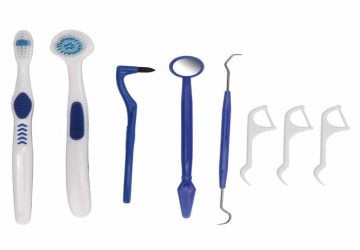
Protect Your Perfect Smile: Master the Art of Defending Your Teeth Against Acid Attacks
Though they may tantalize the palate and invigorate the senses, foods and drinks with high acid content are a double-edged sword with regard to oral wellness. Continual exposure to these substances progressively strips away the protective enamel from our teeth, which can lead to increased sensitivity, changes in coloration, and a variety of other dental complications. This composition offers insight into relishing these zesty favorites while safeguarding your teeth from damage.

Discovering Heartis Eagle Mountain
Heartis Eagle Mountain is a prominent senior living community that offers a range of services and amenities aimed at enhancing the quality of life for its residents. Situated in a peaceful setting, it combines exceptional care with engaging activities, providing a holistic environment that caters to seniors' physical, emotional, and social needs.

Unveiling the Top Dental Implant Options for Seniors: Transform Your Smile with the Ultimate Guide to Restored Radiance
The significance of oral health cannot be understated for the elderly population as they are commonly afflicted with tooth loss due to a multitude of factors, including decay and gum disease. Dental implants have risen to prominence as a prime method of teeth replacement, acclaimed for their long-lasting nature, functional prowess, and striking similarity to our own teeth. This discussion delves deeply into the realm of dental implants to demonstrate why they are considered the optimal choice for aged individuals aiming to enhance their smiles and overall life quality.

Boost Your Defenses: 20 Proven Strategies for a Stronger Immune System
Having a robust immune system is essential to protect our bodies from harmful microorganisms and preserve our general health. Although some elements that affect our immunity are out of our hands, many lifestyle decisions can help us enhance our immune defenses naturally. This piece delves into 20 practical methods to empower your immune system, increasing your capacity to ward off diseases and sicknesses.