The song "Bonse Aba," originally from Zambia, is celebrated for its powerful chorus and uplifting vibe. The chords used in this piece provide a blend of rich harmonies that reflect the cultural diversity and musical traditions of Africa. Understanding Bonse Aba chords offers musicians a chance to explore African music patterns and enhance their versatility in playing world music genres.

"Bonse Aba" is a traditional Zambian song that serves as a celebration of unification and community. Often performed by choral groups, this song carries an uplifting message about human identity and collective strength. Its rhythms and harmonies have made it a staple in world music repertoires, highlighting Africa's rich cultural tapestry.
The origins of "Bonse Aba" can be traced back to the profound cultural and social contexts of Zambia. It encapsulates values of togetherness that are integral to the societies within the region. As a traditional folk song, its roots run deep, representing the collective experiences of the Zambian people, their aspirations, and their resilience. The phrase "Bonse Aba" translates roughly to "everyone is here" or "everyone belongs," which reflects a deep-seated belief in community over individualism.
This song transcends generations, often being passed down orally as children learn from their parents and community members. In many Zambian schools, children sing "Bonse Aba" as part of their music education, ensuring that the cultural heritage is preserved for future generations. This educational aspect plays a crucial role in reinforcing its significance as not just a song, but as a vehicle for cultural affirmation. The song's themes are especially relevant in today's globalized world, where the importance of unity and cooperation remains critical in various contexts.
The beauty of "Bonse Aba" lies in its simplicity and the vibrant energy it brings. The song typically revolves around a few chords, creating a melodious structure that is both appealing and engaging. Commonly, it is performed using a sequence of basic chords, yet it's the rhythm and vocal dynamics that give it life and vibrancy. Understanding these chords can enhance any musician's repertoire, offering opportunities to explore diverse musical landscapes.
Additionally, "Bonse Aba" is notable for its call-and-response format, a common feature in many African musical styles. This structure not only engages the performers but also encourages audience participation, reinforcing the community-oriented message of the song. Each choir might add its unique twist in vocal arrangement, leading to a rich variety of interpretations, while still preserving the core melody. The song is often accompanied by clapping or dancing, which further immerses everyone involved in its lively spirit.
The musical arrangement of "Bonse Aba" can vary depending on the interpretation. However, the very common chords used include C, G, and F, rendering a harmonious blend that is inviting and lively. These fundamental chords provide a great starting point for both beginners and advanced musicians to explore African choral music. The simplicity of the chords allows for easy transitions, while the addition of rhythmic strumming or additional embellishments can make each performance unique.
Musicians are encouraged to explore variations of these chords to allow for creative expression. For instance, experimenting with inversions or adding seventh chords can really elevate the arrangement, providing a richer harmonic texture. Furthermore, understanding the context in which these chords sit—like the upbeat tempo and the joyful vocal lines—can help musicians capture the essence of the song more effectively.
Moreover, consider the cultural context when playing "Bonse Aba." The performance is not just about playing the right notes; it's about conveying the message of togetherness. Engage emotionally with the music, as this will enhance your connection to both the song and to your audience. Practicing with a group, if possible, can also help capture the essence and communal spirit intrinsic to “Bonse Aba.”
| Chord | Fingering | Sound Characteristics |
|---|---|---|
| C Major | Use of key fingers: Index, Middle, and Ring | Bright and open sound |
| G Major | Utilizes the same three fingers in different positions | Rich and full sound |
| F Major | Requires a strong barre technique | Balanced tone often transitioning to softer sequences |
Each chord resonates with distinct emotional qualities, and musicians can use these varying sonic characteristics to bring depth and meaning to their renditions of "Bonse Aba." Understanding these dynamics not only enhances performance quality but also fosters a deeper appreciation for the song's cultural context.
"Bonse Aba" has been adopted by many choirs worldwide, each interpreting it with slight modifications to suit their unique style. This adaptability showcases the fluidity of African music and its ability to transcend cultural barriers. The song's chords provide a foundation for creativity, allowing artists to infuse personal elements without straying from the core message of unity.
As it circulates beyond Zambia, "Bonse Aba" has been recognized for its universal themes, making it a popular choice for various intercultural music festivals and events. This prominence has initiated collaborations between African musicians and artists from other continents, leading to innovative blends of music that honor "Bonse Aba" while also showcasing contemporary influences. These associations have considerably enriched the song's legacy and broadened its appeal.
In classrooms worldwide, music educators frequently use "Bonse Aba" to teach about African music traditions and to emphasize the power of music as a means of cultural advocacy. It highlights the importance of community engagement, celebrating diversity, and fostering understanding through the universal language of music. The song's adaptability echoes the very essence of human connectivity, making it not only a song but a narrative that is relatable across various backgrounds and experiences.
In conclusion, mastering the nuances of "Bonse Aba" chords not only enriches one's musical skills but also fosters an appreciation for the vibrant and dynamic world of African music. Its harmonious simplicity provides an excellent platform for musicians and enthusiasts to explore, innovate, and celebrate cultural diversity in music. Furthermore, the song cultivates a sense of belonging and reinforces the belief that through music, we can unite under a shared message of harmony, joy, and respect for one another in our diverse landscapes.
As musicians engage with "Bonse Aba," they invariably tap into a broader narrative that reflects collective human experience. The song details the power of community and is a poignant reminder of the joy found in shared moments of celebration. Attending performances of "Bonse Aba," whether local or global, allows individuals to experience the heart of Zambian culture, engaging not only with the music but with the stories and histories that enrich its meaning. Embracing this cultural essence encourages an ongoing dialogue about identity, belonging, and shared humanity, inviting all to participate and celebrate the universal spirit reflected through music.
Striking the Perfect Balance: Navigating Premiums and Out-of-Pocket Expenses in Senior Insurance Plans

Explore the Tranquil Bliss of Idyllic Rural Retreats

How to Make Lasting Memories at Disneyland Attractions

Affordable Phones and Plans for Seniors

Affordable Full Mouth Dental Implants Near You

Unlock the Top Kept Secrets to Finding Your Ideal Dentist for Flawless Dental Implant Results!

Discovering Springdale Estates

Unveiling RS Sul Telecom Services

The Guide to Car Trading


Understanding Lato Sensu Education
Lato Sensu is a term used to describe a type of specialized education, typically in the context of postgraduate studies. It emphasizes a flexible, broad approach to learning compared to more narrowly defined courses. This article delves into the significance, scope, and benefits of Lato Sensu programs, particularly how they cater to professionals seeking career advancement.

Unlocking the Secrets of Wizard Lessons
Wizard Lessons offer a glimpse into the mystical world of magic, providing structured learning experiences for aspiring wizards. These lessons cover various aspects of magic, from spell casting to potion making, and are deeply rooted in both tradition and evolving magical practices. Aspiring wizards can delve into these teachings to enhance their magical prowess and understanding of the enchanted arts.

Understanding Lato Sensu Courses
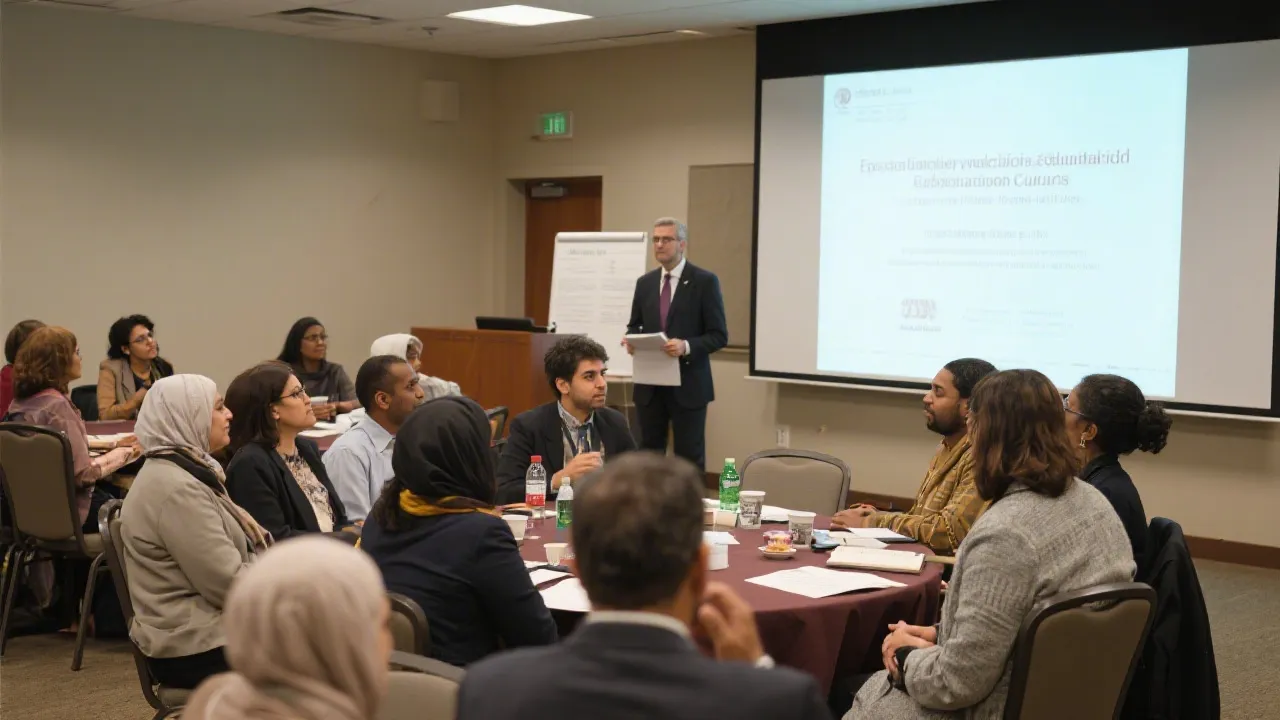
Lato Sensu refers to postgraduate courses offering specialized education, often linked to practical experiences and professional enhancement. These programs emphasize advanced learning tailored to students' chosen fields, with flexible formats to accommodate diverse educational goals and local contexts. This article explores the significance, structure, and advantages of Lato Sensu programs for aspiring professionals.
Understanding Lato Sensu Education Courses
Lato sensu education courses are specialized postgraduate programs offering practical skills and knowledge in specific fields. Distinct from stricto sensu programs focusing on academic research, lato sensu courses are typically shorter and professionally oriented, making them attractive to those seeking career enhancement. This article delves into the intricacies of lato sensu education, exploring its benefits, structure, and global perspective.

Understanding PECB AAT Certifications
This article offers an in-depth analysis of PECB AAT certifications, renowned for providing a standardized framework for auditing, assessment, and training in various professional sectors. It highlights the importance of these certifications in ensuring industry compliance and enhancing career opportunities. From certification pathways to FAQs, explore how these qualifications uphold standards and elevate expertise in their fields.
Understanding Lato Sensu Education
This guide explores the essential aspects of Lato Sensu programs, which are critical post-graduate courses focusing on specific professional skills enhancement. Typically found in Brazilian education, these programs differ from Stricto Sensu courses by emphasizing practical skills over theoretical research. The article analyzes the elements critical to choosing a Lato Sensu course, such as institution reputation, course content, and potential career outcomes.