This guide explains how Vehicle Availability affects pricing, financing, and timing when shopping for a car on sale. Objectively, Vehicle Availability reflects inventory levels across dealerships and marketplaces, influencing selection, lead times, and negotiation dynamics. You’ll learn where to check official listings, how to compare offers from major trading platforms, and how to buy a cheap car without compromising on safety or documentation.
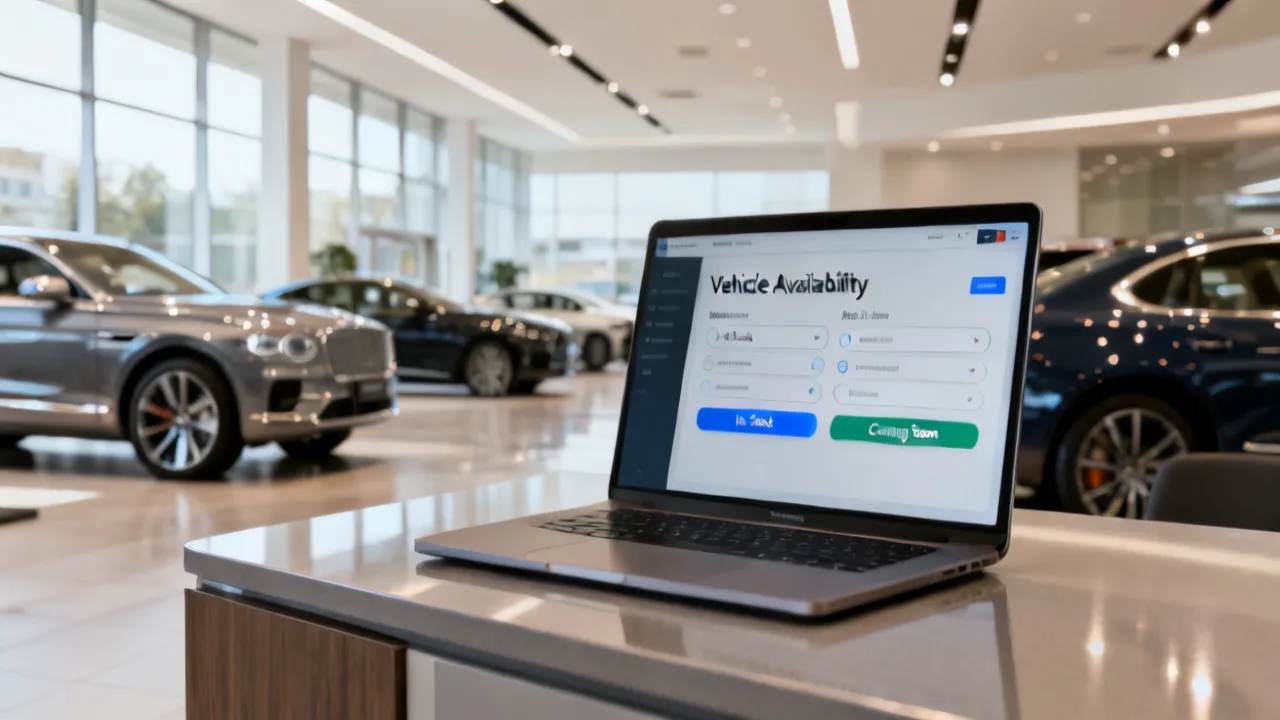
When you shop for a car on sale, Vehicle Availability is often the very practical variable you can control. It determines how many comparable cars are on the market right now, whether popular trims are already spoken for, and how quickly you can move from viewing to purchase. From an industry standpoint, buyers who align their search with availability tend to negotiate more effectively and avoid long waiting periods—especially when they’re trying to find a cheap car that still meets their reliability and safety needs.
In this guide, you’ll find an objective framework for evaluating availability signals, plus a step-by-step approach to locate listings on major official car trading websites and compare offers. You’ll also see how to reduce common risks such as unclear vehicle history, mismatched trim details, or hidden fees at checkout.
Vehicle Availability generally refers to whether specific vehicles, configurations, and price points are currently in stock or ready to be delivered. In everyday buying behavior, it shows up as:
Professional car retail operations track availability through inventory systems, merchandising rules, and demand signals. However, availability is not only about stock count—it also relates to logistics, reconditioning status, title timing, and how quickly a dealership can move a unit into “ready to sell” status.
To make the concept tangible, think of availability as three layers that overlap:
When you shop without considering these layers, you can accidentally optimize the wrong thing—like paying attention only to a low online price while ignoring that the car is pending, the trim is different than expected, or delivery requires weeks of processing. When you optimize for availability, you often reduce risk and increase your bargaining leverage.
It’s tempting to focus on sticker prices alone, but availability affects price formation. As an industry lens, consider these common dynamics:
Importantly, availability also changes your ability to inspect and test drive. A vehicle that is “available today” typically reduces scheduling friction, which can matter if you’re balancing work commitments or traveling from nearby areas. The more friction you remove, the more likely you are to avoid pressured decisions that happen when a buyer feels forced to choose quickly.
In other words, a “cheap car” isn’t just a number—it’s a deal structure you can complete smoothly. High availability often means the seller can finalize paperwork faster, and you can validate condition sooner. That’s where “value” tends to concentrate.
Before you decide, use official listing ecosystems where inventory is updated frequently and where filters help narrow your search around current Vehicle Availability. Below is a comparison table of major car trading platforms and the practical information you can verify when evaluating cars on sale.
| Platform (official trading site) | What you can confirm while assessing Vehicle Availability |
|---|---|
| cars.com | Large searchable inventory, model/trim filtering, and dealer-backed listing details that help you compare current availability across markets. |
| Carmax | Curated listings presented for shopper browsing, enabling side-by-side comparison of vehicle condition notes, pricing, and purchasing steps. |
| Caronsale | A centralized discovery route that can help surface vehicles on sale and connect you to listing details for further verification. |
| AutoTrader | Marketplace browsing that supports filtering by key purchase requirements and helps you identify cars that are currently listed. |
source:
https://www.cars.com/,
https://www.carmax.com/cars,
https://www.caronsale.com/en,
https://www.autotrader.com/
(Source of platform information: official websites.)
In practice, the very valuable step is not just finding a low price—it’s verifying that the listing matches your requirements: model year band, mileage tolerance, drivetrain (FWD/AWD/RWD), transmission, fuel type, accident disclosure, and title status.
To make this even more actionable, treat each listing as a “data object” with fields you must verify. Availability helps you find the data objects quickly; diligence helps you avoid the “bad fields” that make a bargain expensive.
For example, consider how availability influences the likelihood that these fields are complete:
If your goal is a cheap car that’s still safe and well-documented, use a repeatable workflow. This is how many experienced buyers approach the market: narrow first, verify second, and negotiate last—while staying sensitive to Vehicle Availability.
Think of the process like filtering water through progressively finer screens:
This approach protects you because it doesn’t rely on hope. Availability might get you the fastest match, but diligence keeps the match honest.
To tighten this step, separate your budget into categories:
Availability matters here because some “cheap car” deals look great on paper but require additional processing. If the vehicle needs repairs, the seller might add fees or delay delivery. Having an out-the-door ceiling prevents you from stretching because of urgency.
Comparability is where many budget shoppers accidentally lose money. They see a low price and ignore that the cheaper unit might have fewer safety features, higher-risk history, or less desirable mechanical configuration.
Here are practical comparability criteria that typically matter most:
If the exact trim you want isn’t available, don’t automatically accept a lower trim to chase the price. Instead, decide what is non-negotiable (for example, AWD and safety tech) and then treat the rest as flexible. Availability can help you find near matches; diligence helps you verify they are truly near matches.
This step is where Vehicle Availability becomes a credibility test. When a car is genuinely available now, sellers often can respond quickly with accurate details. If you see ambiguity—like a listing that has price but no mechanical spec clarity—it may signal processing delay or incomplete reconditioning.
Before contacting the seller, you can verify certain fields on most official platforms:
When you contact the seller, ask questions that confirm truth, not questions that enable sales pressure. A good set of verification questions might include:
Availability can cause a paradox: when you find a listing quickly, you might be tempted to move quickly without screening. But screening can save you trips and protect your time.
Quick checkpoints don’t have to be long or complicated. Aim for questions that clarify the vehicle’s risk profile:
When Vehicle Availability is high (many matching cars), you can afford to be more selective. When availability is low, you may need faster decisions—but you still shouldn’t skip the evidence stage. Think of it as a minimum due diligence requirement.
When Vehicle Availability is tight, buyers sometimes rush. Avoid that. Even if the deal looks good, confirm:
“Availability-aware” means you treat every minute you spend inspecting as part of a risk-management process. A car might be listed as available, but that doesn’t automatically mean it is ready in the sense you care about (mechanically ready, correctly documented, and honest in disclosures).
During inspection, consider these practical checks:
One subtle point: availability affects how the inspection appointment is handled. Sellers with high demand may try to compress your time, while sellers with higher availability might accommodate more thorough checks. Either way, you need enough time to verify basics.
If you cannot get enough time on-site, that’s a red flag. A “cheap car” deal that doesn’t allow you to validate condition can become expensive when the problems show up after purchase.
Negotiation improves when Vehicle Availability is in your favor. When there are multiple similar cars available concurrently, you can credibly say: “I can buy this type of car now, and I’m ready—provided the total out-the-door number makes sense.” That’s different from pleading for a discount on one isolated listing.
To negotiate effectively, gather comparable information:
Then connect each negotiation point to a justification:
Most negotiation mistakes happen when buyers argue about feelings (“it’s too expensive for me”) rather than facts (“this vehicle’s condition and documentation trail similar available units”). Keep the conversation anchored to verifiable differences.
Once you reach the paperwork stage, availability can still matter. A vehicle that’s “available” might be ready, but the title transfer could still have timing constraints depending on the seller’s process and local requirements. Before signing, verify what you need for registration and what documents you will receive.
Consider asking:
Also verify that the out-the-door estimate you agreed to matches the final paperwork. If you notice any mismatch, pause. A common pattern in “cheap car” traps is that a good advertised price gets diluted by fees, add-ons, or unclear calculations at signing.
To buy a car on sale efficiently, it helps to apply clear conditions. Below is a practical “buyer requirements” framework that many consumer and retail compliance professionals would recognize as a low-risk checklist.
| Buyer requirement | Why it matters for Vehicle Availability + “cheap” pricing | Typical proof to request |
|---|---|---|
| Comparable trim and configuration | Prevents paying less for a car that isn’t equivalent to your target needs. | VIN-based spec sheet or listing breakdown |
| Vehicle condition documentation | Availability can mean “ready to sell,” but condition still must be verified. | Inspection notes, service history summary |
| Disclosure consistency | Ensures the listing claims match the vehicle’s history and current state. | Accident/title disclosures and supporting paperwork |
| Out-the-door cost transparency | Many “cheap” listings become expensive after fees are added. | Itemized quote before signing |
| Test drive and pre-purchase inspection | Protects against expensive surprises even when inventory looks attractive. | Inspection access, independent mechanic authorization |
To expand on this checklist, you can add a few additional “proof types” that often prevent mistakes:
Remember: availability reduces time risk; proof reduces financial risk. You want both.
Buyers often search for “on sale” offers in one dimension—price. A more professional method examines why the offer is attractive:
As an expert view, the very durable value isn’t only a temporary discount—it’s the combined outcome of fair pricing, verified condition, and a deal structure you can understand.
To interpret an “on sale” label correctly, consider three types of discounts:
Availability helps you distinguish these types because a truly ready vehicle often has fewer “conditional” steps. A car that requires extra reconditioning or waiting periods may be tied to promotional timing. So if your priority is a quick purchase with predictable costs, prefer listings that show availability now and transparent documentation.
Avoid these frequent pitfalls that can turn a “good deal” into a costly purchase later:
Here are several additional mistakes that often appear once buyers become more “availability-focused.” The point isn’t to avoid speed—it’s to avoid careless speed:
Some people treat car hunting like a lottery: check listings, hope for a deal, and then rush. A better approach is to build a system around Vehicle Availability—so you don’t just find deals, you find deals you can act on.
Here’s a strategy that works well for many buyers:
This converts Vehicle Availability from a vague concept into a measurable workflow. You’re not only chasing “on sale.” You’re systematically identifying which “on sale” cars are actually accessible and comparable.
Official car trading websites can show slightly different information for similar vehicles. To avoid confusion, compare in a consistent structure. Your goal is to standardize the way you evaluate availability and value.
Use a consistent listing comparison template. For each vehicle, record:
When you compare listings this way, you can spot anomalies quickly. For example, a car with a low price but missing photos, vague spec details, or an “availability soon” status might be less valuable than a slightly higher priced unit that is ready to purchase.
Vehicle Availability is not just “listed” vs “not listed”—it is also “ready to buy” vs “not yet.” Use a question set that forces clarity. These questions can be copied and pasted into messages:
These questions also help you avoid a common trap: the “we can negotiate when you arrive” pitch. If you want a smart car on sale decision, negotiate when you have verified information, not when you’re under pressure in person.
Some buyers focus exclusively on the vehicle price. But in practice, financing can change your total cost dramatically—especially when promotions exist.
Availability and financing interact in three ways:
To avoid problems, ask early about financing conditions. Specifically:
Then compute total cost. A “cheap car” that has an unclear financing structure may cost more than a slightly higher priced unit with simpler conditions.
When buyers chase low prices, they sometimes overlook warranty terms and coverage structure. But warranty coverage is a risk-management tool—especially for older vehicles with wear items approaching replacement.
Availability can influence warranty coverage in subtle ways:
Ask for the warranty information in writing and verify:
This is not about avoiding all risk. It’s about ensuring that if you’re paying “cheap car” prices, you also understand what protections you actually have.
One of the most serious risks in used car buying is relying on incomplete or inconsistent history information. Vehicle Availability can make this risk worse when buyers rush to buy the first unit that appears available.
To reduce history risk, you want two types of alignment:
Practical steps you can take:
If disclosures are vague, that doesn’t automatically mean the car is bad. But vague disclosures should lower your willingness to pay, because they increase uncertainty. Availability can tempt you to “buy fast,” but fast with uncertainty is how cheap deals become expensive.
In many popular models, exact trims can become scarce quickly. A scarcity effect doesn’t only raise prices; it also increases the chance that buyers settle for mismatched configurations.
The closest comparable method solves this:
This method protects value when availability shifts. Instead of paying more for the exact trim, you can often find a close alternative that meets the critical requirements and still qualifies as a true “cheap car” opportunity.
To apply the method, create a decision matrix:
| Category | Required? | Flexible? |
|---|---|---|
| Drivetrain (AWD/FWD/RWD) | Yes | No |
| Transmission type | Yes | Sometimes |
| Safety tech package | Yes | No |
| Mileage cap | Yes | Minor |
| Color | No | Yes |
| Interior trim | No | Yes |
By formalizing your criteria, you avoid the emotional mistake of paying extra because you wanted a specific trim and now you feel stuck.
When Vehicle Availability increases—more listings matching your criteria—buyers can compare more comparable options at the same time. That typically improves negotiation leverage and reduces the chance of paying a premium due to scarcity or urgency.
Not necessarily. “On sale” indicates the seller is offering a reduced price or an incentive, but it may come with differences in condition, documentation completeness, or add-on charges. The top value comes from verifying the total deal and comparing like-for-like vehicles.
Use filters for configuration and comparability (trim, drivetrain, mileage). Then verify listing details and disclosures carefully. If available, confirm inspection or service notes, and make sure the car is truly ready for purchase rather than pending.
Request an itemized out-the-door quote before committing. Compare documentation fees, delivery charges, taxes, and any add-ons. A low advertised price can become less attractive once fees are included.
Yes. Even when a car appears on sale and is currently available, a professional inspection helps surface issues that may not be obvious during a short test drive. This reduces the risk of expensive repairs soon after purchase.
Identify the closest comparable configuration and adjust expectations while maintaining key requirements (safety features, powertrain needs, and mileage range). You can also broaden nearby search while still focusing on transparent listings and verifiable documentation.
The article’s platform references are based on the official websites listed below. They are used to indicate where shoppers can access current inventories and listing details relevant to Vehicle Availability.
source: https://www.cars.com/, https://www.carmax.com/cars, https://www.caronsale.com/en, https://www.autotrader.com/
1) The above information comes from online resources, and the data is as of October 2023. 2) For more information, please refer to the official website.
Striking the Perfect Balance: Navigating Premiums and Out-of-Pocket Expenses in Senior Insurance Plans

Explore the Tranquil Bliss of Idyllic Rural Retreats

How to Make Lasting Memories at Disneyland Attractions

Affordable Phones and Plans for Seniors

Affordable Full Mouth Dental Implants Near You

Unlock the Top Kept Secrets to Finding Your Ideal Dentist for Flawless Dental Implant Results!

Discovering Springdale Estates

Unveiling RS Sul Telecom Services

The Guide to Car Trading
The Guide to Car Trading
This comprehensive guide explores the dynamics of car trading through the lens of organizational culture theories by Cameron & Quinn. With a focus on how these theories influence business operations and consumer behavior in the car trading industry, this article also introduces platforms where vehicles are commonly traded. Considered resources like Autotrader and Carmax, ensuring access to up-to-date car listings and information.
How to Buy Quality Used Cars Affordably
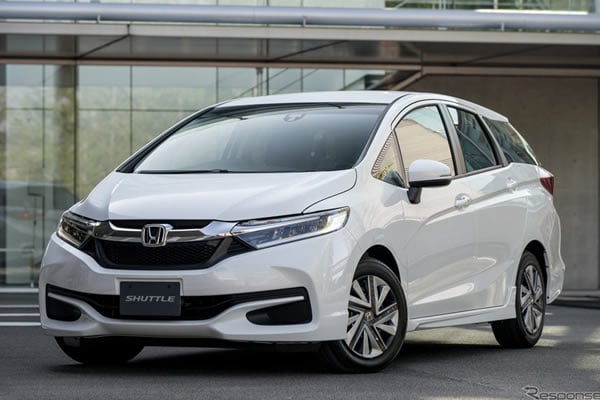
Buying a used car can be an excellent way to save money while still obtaining a reliable vehicle. However, it requires careful planning and informed decision-making to ensure that you get the best deal without compromising on quality. This guide will walk you through the essential steps to buy a quality used car affordably, covering key considerations and strategies.
Choosing the Perfect Economical SUV for the Elderly
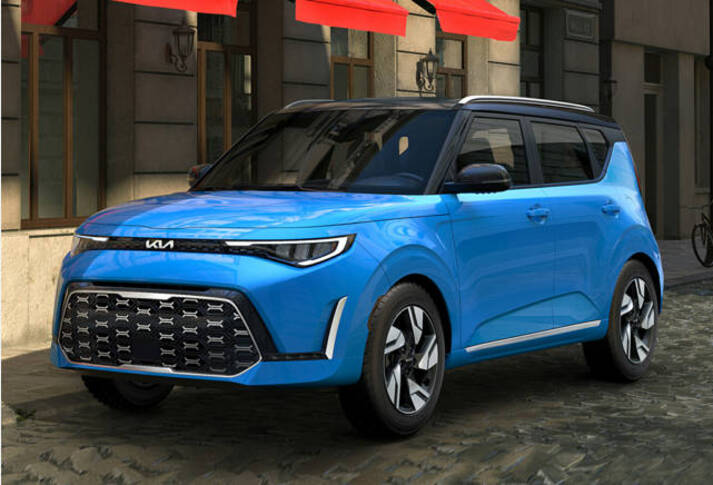
Selecting an economical SUV for seniors involves considering affordability, comfort, and safety. This guide offers valuable tips to help older adults find their ideal vehicle.

Driving into the Future: Electric Cars for Seniors and Their Benefits
In today's world, electric cars offer seniors numerous benefits. This guide provides advice and tips to help seniors transition to electric vehicles seamlessly.

Maximizing Medicare Benefits for Senior Mobility Scooter Users
As the population ages, the importance of ensuring senior citizens retain mobility and independence becomes increasingly critical. For many seniors who have limited mobility, mobility scooters serve as a vital tool for enhancing quality of life. However, understanding how to maximize Medicare benefits for mobility scooter usage can be complex. This article aims to provide an overview of how seniors can navigate Medicare provisions to make the most of their mobility assistance devices.
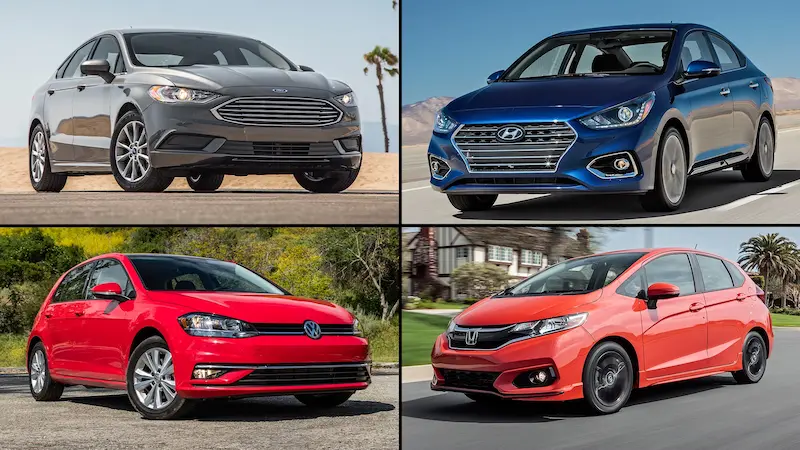
Smart Tips for Seniors to Find the Top Used Car Deals
As a senior looking to purchase a used car, you're in a unique position. With years of life experience under your belt, you have the wisdom to make informed decisions. However, the used car market can be complex and occasionally deceptive, and there are many factors to consider to ensure you get the best deal possible. This guide provides practical advice to help you navigate the used car market confidently and secure a reliable vehicle at a great price.