Vehicle availability determines what you can buy, when you can test drive, and how quickly you can close a deal. This guide explains how major official car trading platforms present inventory, how to interpret availability signals, and how to find a cheap car for sale using practical filtering, pricing checks, and verification steps—objectively, without hype—grounded in marketplace research.

Vehicle availability is the starting point for anyone searching for a cheap car for sale—because the “top deal” only matters if the car is actually reachable. In practice, availability shows up as whether listings are in stock, how quickly sellers can schedule viewing, and how often similar models are updated on trading platforms. When availability is limited, prices can stay firm; when inventory is broader, you gain negotiation leverage through comparison.
From an industry-expert perspective, buyers should treat availability as a decision variable, not a background detail. Your goal is to align three factors: (1) a car that fits your budget, (2) a realistic path to inspect and purchase, and (3) documentation clarity. That is how you avoid wasting time on listings that look attractive but cannot be verified quickly.
In other words: don’t start with the lowest price. Start with the most actionable path to purchase.
On official car trading platforms, Vehicle Availability typically reflects whether a vehicle is currently offered for sale and can be reserved or purchased under listed terms. While different sites use different labeling and wording, the underlying mechanics are similar:
Because availability is dynamic, you should confirm it before you invest time—especially if your target is a bargain or “cheap car” category.
Think of availability signals as “market temperature.” If many similar cars are available right now, you’re more likely to find a genuine bargain. If only a few exist and they go quickly, then a low price may simply be the market clearing signal—or it may indicate missing information that needs verification.
Many buyers fixate on the sticker price, but the market price you actually pay is heavily influenced by inventory constraints. Availability affects both the psychology of negotiation and the mechanics of deal-making. Here’s how:
That’s why two cars with the same mileage can have different “real” value. Availability and information quality determine whether a low price is an opportunity or a trap.
When you are focused on Vehicle Availability, using established, official trading platforms helps you reduce uncertainty. Below is a compact comparison of the main platforms referenced for car listings. Use it to decide where to start your search, then refine with filters and verification checks.
| Platform | Inventory/Shopping Strength (Practical Angle) | Top Use Case |
|---|---|---|
| cars.com | Broad dealership and private listings; strong search filters | Quick scanning of inventory for “available now” options |
| carmax.com | Retail-style used-car inventory with structured purchasing workflow | Buyers who want a more standardized process and inspection expectations |
| caronsale.com | Listings aggregator approach; useful for browsing market options | Finding variety and comparing pricing across similar models |
| autotrader.com | Inventory discovery across dealers; supports comparison shopping | Cross-checking availability and prices across different sellers |
Note: The table summarizes general shopping strengths and does not replace the need to confirm each listing’s current status, condition, and location.
Beyond the platform name, what matters is how each site presents “live” inventory signals: update timestamps, reservation language, and the clarity of next steps. The more transparent the path to purchase, the more reliably you can plan your time.
Many buyers treat availability as a suggestion. They see a listing and assume it’s likely still there. Smarter buyers treat availability as a gate you must pass before moving to deeper evaluation (inspection, financing, travel, and negotiations).
Practically, your workflow should look like this:
When you use this gate approach, you avoid the most common “cheap car” failure mode: the listing looks good, you invest time, and then you discover the car wasn’t truly available or wasn’t as described.
If your priority is a cheap car for sale, the smartest approach is to “work the market” methodically. Follow this workflow to translate Vehicle Availability into a real purchase decision.
Additionally, consider the “travel cost” of each listing. If the car is cheap but far away, your actual expense may rise through gas, lodging, or missed work. Availability should be evaluated relative to your time and travel budget.
A cheap purchase can become expensive if it drives high maintenance, fuel, or insurance costs. In the screening stage, estimate:
This is not about avoiding bargains—it’s about selecting the kind of deal that survives real-world costs.
One practical technique: create a simple spreadsheet with your top 5 costs: purchase price, insurance estimate, expected maintenance annualized, fuel estimate, and estimated registration/taxes. Then compare “best deal” not as a number, but as a survivability score over the next 12–24 months.
Once you identify 5–10 candidate cars, compare them consistently:
When two cars look similar but one is priced noticeably lower, treat it as a signal to investigate—not a sign to rush. Sometimes the lower price is a true bargain; often it’s a trade for missing repairs, unclear history, or slower documentation completion.
A good “like-for-like” comparison also adjusts for timing. If one seller is actively marketing and has many comparable vehicles available, their pricing might be more competitive. If the seller is highly selective or the car is already near sale, price may stay firm.
Before you commit to a visit, confirm availability and key documentation:
This step saves time and prevents disappointment due to outdated inventory signals.
Consider a “two-question test” before deeper engagement:
If the seller can’t answer clearly or quickly, that itself is a negative availability signal.
A cheap car can be an excellent value when it passes a structured inspection. At minimum:
In professional practice, many avoidable “bad deals” are discovered during the first 10–20 minutes of targeted checks.
If you want a “cheap car” to remain cheap, your inspection must focus on the failures that cost money fast: overheating, transmission smoothness, braking system health, and electrical reliability. A car that passes these checks is much more likely to be a true bargain rather than a short-term discount.
Negotiation works top when you have specific comparison points. Use:
Availability affects your leverage. If multiple similar vehicles are available nearby, you can negotiate more confidently. If inventory is scarce, you may have to accept a smaller margin—so your bargaining position should be realistic.
Also, negotiation isn’t only price. For a budget buyer, reducing out-of-pocket cost can include:
Even with strong Vehicle Availability, buying requires administrative accuracy. Confirm:
Many “cheap” deals become expensive when unexpected fees appear at the end. The fix is simple: request itemized out-the-door pricing before signing, and avoid last-minute add-ons that don’t match your decision basis.
It’s common to see a listing that appears affordable but conflicts with availability or real inspection outcomes. Here are practical responses:
Objective market behavior matters: if a bargain repeatedly fails verification, your top next step is to switch focus to listings with clearer documentation and stable availability signals.
In practical terms, your “move on” criteria should be written down before you begin shopping. For example: no clear availability confirmation within 24 hours, no documented service history when promised, or no willingness to allow an inspection—then your search should pivot immediately.
From an industry perspective, inventory availability is influenced by demand patterns, supply timing, and dealer trade cycles. While specific figures vary by region and time, the strategic implication is stable:
Therefore, a disciplined buyer treats availability as a living system and adjusts their search plan accordingly.
To go a step further, experienced buyers “timebox” their search around availability cycles. If you notice a steady flow of similar cars for several days, you can afford to be selective. If you see a sudden scarcity, you may need to move quickly on the best verifiable option—even if it’s not the absolute lowest price.
The following table reframes “cheap” shopping into clear conditions/requirements you can apply across listings.
| Requirement | Why It Matters for Vehicle Availability & Price | What to Ask/Check |
|---|---|---|
| Current availability confirmation | Prevents wasted trips and outdated inventory | “Is it still available today, and can I view it within 48 hours?” |
| Clear vehicle history | Low price can reflect undisclosed risk | Request history report and reconcile it with listing description |
| Inspection evidence | Supports negotiation when repairs are needed | Ask about inspection results or schedule independent inspection |
| Transparent total cost | Hidden fees can erase “cheap” savings | Request itemized out-the-door pricing |
| Reasonable proximity for inspection | Improves decision quality and reduces risk | Confirm location and transport options if not nearby |
| Paperwork readiness and title clarity | Delays can create extra costs and uncertainty | Confirm title status, transfer timeline, and any lien payoff requirements |
| Seller responsiveness | Slow responses can indicate availability uncertainty | Evaluate how quickly they answer availability and document questions |
Buying smarter is partly about asking better questions, but it’s also about interpreting what you’re already seeing. Availability signals aren’t only in the “available now” label. They show up in the friction of the process.
When a seller can offer viewing quickly, it suggests the vehicle is operationally ready. Conversely, if you get vague timing—“maybe next week,” “we’ll see”—you should treat the listing as uncertain. A cheap car is only a good deal if you can validate it before it slips away or becomes unavailable.
Practical approach: ask for two time windows for viewing. If they can’t commit to either, move on to another listing with clearer availability.
Many buyers only ask about price. But documentation and disclosure quality are major availability and pricing drivers. A seller who shares history reports, service records, and clear inspection notes is reducing your risk, which typically allows them to price confidently.
On the other hand, a seller who avoids documentation may be hiding issues, or the vehicle may not be ready. Either way, your decision quality drops.
A listing that’s “thin” on details—few photos, vague condition descriptions, no information about mechanical state—often correlates with unstable availability. That’s not always true, but it’s a useful heuristic for budget buyers who don’t have time to chase uncertainty.
Detail density can include:
A bargain becomes expensive if you can’t inspect it properly. Ask upfront whether you can take it to an independent mechanic, and how soon. If a seller refuses, delays, or discourages inspection, treat it as a negative availability signal.
Professional practice: the ability to schedule an independent inspection quickly is often the difference between a true “cheap car” purchase and a risky gamble.
Some vehicles show up, disappear, and later reappear. That can happen for legitimate reasons—repairs, pending sale, or relocation. But repeated reappearance can also indicate a vehicle that repeatedly fails buyer expectations. It doesn’t automatically mean it’s bad, but it should trigger heightened scrutiny: confirm history, inspect carefully, and negotiate with evidence.
A shortlist prevents emotional purchases and helps you negotiate using real competition. The gate approach can produce a practical shortlist quickly.
Here’s a simple method you can apply across platforms:
Because inventory changes quickly, this approach ensures that you’re always working with real options, not outdated screenshots.
Budget shopping requires flexibility, but not all flexibility is equal. Availability signals can help you decide what to compromise on.
This distinction matters because availability can lure you into accepting uncertainty. Your job is to accept flexibility in low-risk areas while holding firm on verification in high-risk areas.
Negotiating for a cheap car is different from negotiating a premium vehicle. The margin for error is smaller because maintenance and repair costs can quickly erase savings. Your negotiation must be anchored to risks you can prove.
Don’t negotiate based on guesses like “it might need brakes soon.” Instead, negotiate based on inspection findings: tire tread measurements, brake pad thickness, visible leaks, or diagnosed mechanical issues. If you can document it, you can negotiate it.
Availability enables a powerful negotiating argument: “Similar cars with the same specs are listed elsewhere at X price.” But don’t just cite numbers—confirm availability and try to reference listing details like mileage, trim, and condition notes.
If the car requires minor work—like replacing tires, addressing a known maintenance item, or correcting a cosmetic issue—your goal is to negotiate so that your effective cost remains within budget. Sometimes that means the price doesn’t need to drop dramatically; it means you need repairs included before purchase.
A seller might promise to fix something after purchase. For cheap cars, that promise can become expensive if delays occur. Prefer agreements that are completed before you sign or that include written terms with specific timelines.
Since multiple official trading platforms exist, you may see the same vehicles syndicated or reposted. Duplicate effort can waste time, especially when inventory is moving quickly.
Practical approach:
This reduces the risk of spending time on outdated listings and helps you move faster when a genuinely available deal appears.
Scams are not always blatant. Often, they involve subtle misrepresentation: a car “available” but not reachable, a seller who refuses inspections, a listing that claims documentation but can’t produce it, or a suspiciously low price without explanation.
Availability-related warning signs include:
To protect yourself, keep your process evidence-driven. Verify availability, obtain documentation, and use an inspection plan before sending funds.
Treat availability as time-sensitive. Confirm current status with the seller before visiting, and rely on “available now” language when possible. If the listing update is infrequent, verify rather than assume. In practice, a quick confirmation call prevents wasted time.
Also, pay attention to how quickly the seller responds to availability questions. A seller who can commit quickly is more likely to have a live inventory situation. One who answers vaguely may be dealing with a vehicle that is pending sale or not ready.
Use filters to narrow by budget range first, then apply secondary filters for mileage range, vehicle condition, and distance so you can inspect nearby. After that, compare multiple similar trims and check total cost of ownership factors such as expected maintenance and insurance.
For many buyers, the best filters are those that support verification: distance limits, “available now,” and dealership listings where documentation is more structured. Private listings can be cheaper, but you must raise your verification standards.
It can be safer in the sense that major platforms often provide structured inventory presentation and established purchasing workflows. However, safety still depends on each specific listing, documentation, and inspection. Always verify condition and paperwork for the exact vehicle.
In other words, platform safety is not absolute safety. Your inspection and paperwork verification still matter.
Use a checklist: confirm live availability, request vehicle history where applicable, ask for clear photos of key areas, and complete an independent inspection if the price seems unusually low. Avoid transferring funds before documentation and inspection steps are completed.
A helpful habit is to keep your questions consistent. If you use the same evidence requests across sellers, you can more easily detect anomalies and inconsistencies.
Yes, but negotiate with evidence. Use inspection results, documented service needs, and comparable listings to justify adjustments. If a vehicle is priced competitively and has strong documentation, your leverage may be limited—so focus on accuracy and total cost rather than pushing for a dramatic discount.
For cheap cars, even small adjustments matter because your risk budget is limited. Negotiating repairs to be completed before delivery can be more valuable than a small price reduction.
Pick the listing with the top combination of: verified availability, consistent documentation, reasonable proximity for inspection, and clear out-the-door pricing. Cross-check photos and descriptions across platforms to detect discrepancies.
When two listings appear equal, the decisive factor is often “transaction readiness”—how quickly you can view, inspect, and finalize paperwork.
Inventory changes over time due to trade cycles and re-listing patterns. A practical approach is to monitor saved searches and check updates regularly. When you notice a drop in price, verify whether the reason is condition-related or administrative—then move quickly if the documentation is clear.
Some buyers improve outcomes by checking listings early in the day or after weekends, when new inventory might appear. If you want the best chance at a bargain, be ready to act quickly once you’ve verified availability and documentation.
For official platform pages referenced in this guide, consult the sites below. They are the basis for the marketplace resource list and should be used to confirm current inventory status and purchase terms.
source: [https://www.cars.com/](https://www.cars.com/) source: [https://www.carmax.com/cars](https://www.carmax.com/cars) source: [https://www.caronsale.com/en](https://www.caronsale.com/en) source: [https://www.autotrader.com/](https://www.autotrader.com/)1) The above information comes from online resources, and the data is as of October 2023. 2) For more information, please refer to the official website.
Striking the Perfect Balance: Navigating Premiums and Out-of-Pocket Expenses in Senior Insurance Plans

Explore the Tranquil Bliss of Idyllic Rural Retreats

How to Make Lasting Memories at Disneyland Attractions

Affordable Phones and Plans for Seniors

Affordable Full Mouth Dental Implants Near You

Unlock the Top Kept Secrets to Finding Your Ideal Dentist for Flawless Dental Implant Results!

Discovering Springdale Estates

Unveiling RS Sul Telecom Services

The Guide to Car Trading

The Guide to Car Trading
This comprehensive guide explores the dynamics of car trading through the lens of organizational culture theories by Cameron & Quinn. With a focus on how these theories influence business operations and consumer behavior in the car trading industry, this article also introduces platforms where vehicles are commonly traded. Considered resources like Autotrader and Carmax, ensuring access to up-to-date car listings and information.

How to Buy Quality Used Cars Affordably
Buying a used car can be an excellent way to save money while still obtaining a reliable vehicle. However, it requires careful planning and informed decision-making to ensure that you get the best deal without compromising on quality. This guide will walk you through the essential steps to buy a quality used car affordably, covering key considerations and strategies.
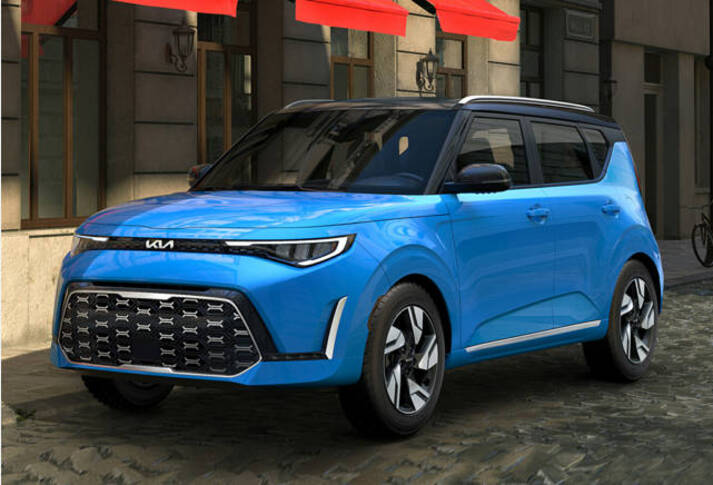
Choosing the Perfect Economical SUV for the Elderly
Selecting an economical SUV for seniors involves considering affordability, comfort, and safety. This guide offers valuable tips to help older adults find their ideal vehicle.

Driving into the Future: Electric Cars for Seniors and Their Benefits
In today's world, electric cars offer seniors numerous benefits. This guide provides advice and tips to help seniors transition to electric vehicles seamlessly.

Maximizing Medicare Benefits for Senior Mobility Scooter Users
As the population ages, the importance of ensuring senior citizens retain mobility and independence becomes increasingly critical. For many seniors who have limited mobility, mobility scooters serve as a vital tool for enhancing quality of life. However, understanding how to maximize Medicare benefits for mobility scooter usage can be complex. This article aims to provide an overview of how seniors can navigate Medicare provisions to make the most of their mobility assistance devices.
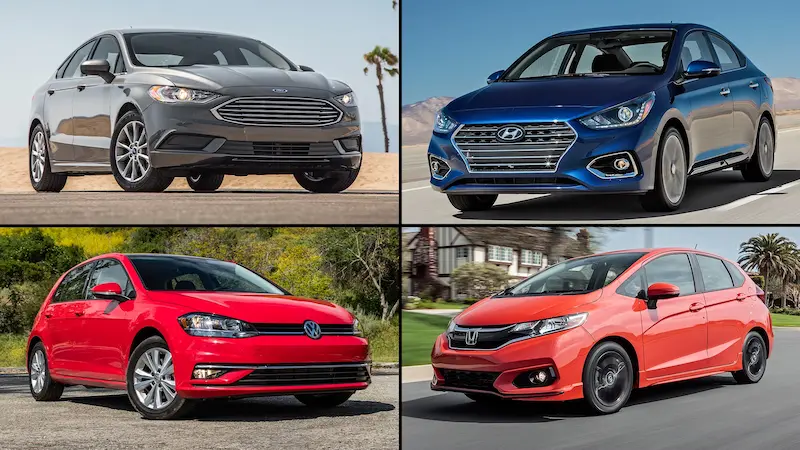
Smart Tips for Seniors to Find the Top Used Car Deals
As a senior looking to purchase a used car, you're in a unique position. With years of life experience under your belt, you have the wisdom to make informed decisions. However, the used car market can be complex and occasionally deceptive, and there are many factors to consider to ensure you get the best deal possible. This guide provides practical advice to help you navigate the used car market confidently and secure a reliable vehicle at a great price.