Fresh Logistic involves the meticulous management of perishable goods from production to consumption, ensuring freshness and quality throughout the supply chain. This field is pivotal in the transportation industry, demanding precise coordination, state-of-the-art technology, and an understanding of market demands for efficient delivery and minimal waste.
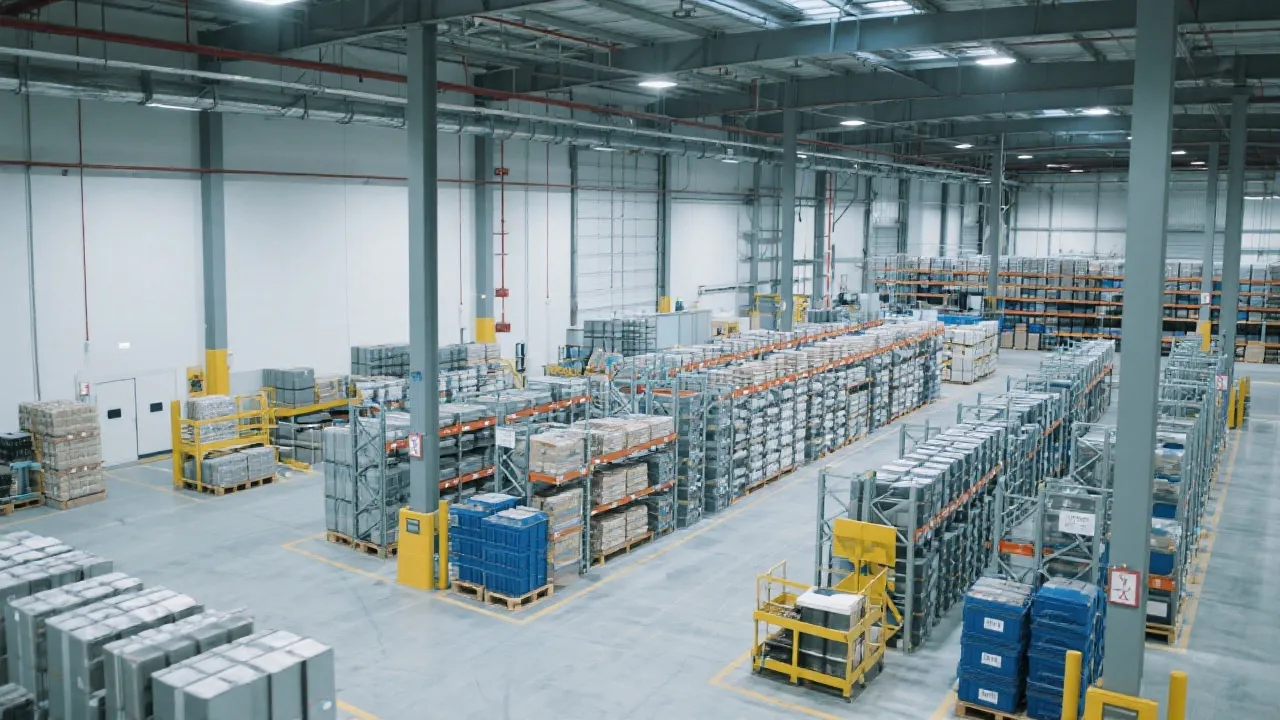
The term "Fresh Logistic" refers to the specialized field of logistics that handles perishable products, ensuring they maintain their quality and freshness from the point of origin to the final consumer. This sector, critical within the food supply chain, involves complex processes such as temperature control, efficient routing, and timely delivery. Logistics in this context does not just pertain to the physical movement of goods but also encompasses the comprehensive planning and management processes that maintain perishable items' safety and integrity throughout the supply chain.
In today's global economy, the increase in consumer demand for fresh food products has further emphasized the importance of efficient fresh logistics. With the rise of e-commerce and immediate delivery expectations, logistics has to adapt to new realities, ensuring that fresh produce reaches consumers as quickly as possible without compromising quality. Fresh Logistics encompasses every step of the product's journey: from farms and production facilities to warehouses, distribution centers, and finally, to retail outlets or directly to consumers’ homes. This holistic approach is essential to meet the rigorous quality standards and consumer expectations of the perishable goods industry.
To maintain the integrity of perishable goods, Fresh Logistic operations rely on several crucial elements:
Successful implementation of these components minimizes waste, maximizes product quality, and ensures customer satisfaction. For example, a famous global food delivery service has adopted a strict cold chain management system, ensuring that all perishable items maintain temperature standards during transit. Their use of advanced analytics has allowed them to reduce spoilage rates dramatically and improve customer satisfaction ratings.
Managing a Fresh Logistic operation is fraught with challenges:
Time Sensitivity: The greatest challenge is the product's shelf life, which demands prompt handling and delivery. An interruption in the cold chain, even for a short time, can result in significant losses, particularly for highly perishable items like seafood or certain fruits. Because of this, logistics providers need to be constantly vigilant, ensuring timely dispatches and deliveries.
Cost Management: Balancing cost with technological investments such as refrigerated trucks and storage facilities can be difficult for businesses. The initial investment in temperature-controlled logistics can be high, and smaller companies may struggle to afford the same level of infrastructure as larger firms. However, companies must also consider the long-term savings gained from reduced waste and increased customer loyalty due to superior product quality.
Demand Fluctuations: Companies must anticipate and react to seasonal changes in demand to optimize their supply chain operations effectively. This often requires sophisticated forecasting methods and a responsive supply chain strategy. For instance, demand for fresh produce can vary greatly during holidays or local festivals, necessitating strategic inventory management and logistics adjustments to meet those fluctuations while minimizing waste.
Additionally, unforeseen challenges such as natural disasters, pandemics, or geopolitical tensions can disrupt the supply chain, leading to sudden changes in demand or supply shortages. This unpredictability requires logistics managers to have robust contingency plans to mitigate potential risks and adapt quickly to changing circumstances.
Technological advancements are transforming Fresh Logistic in dynamic ways:
Innovative solutions extend beyond technology to encompass collaborative logistics practices that bring together various stakeholders in the supply chain. For instance, partnerships between farmers, distributors, and retailers can facilitate more efficient logistics by sharing insights on market demand, enabling better inventory management, and reducing waste across the supply chain. These collaborative approaches create a more sustainable and efficient supply chain that benefits all parties involved.
| Technology | Advantages | Applications |
|---|---|---|
| AI and Machine Learning | Predictive analytics, route optimization | Demand forecasting, efficient resource allocation |
| Blockchain | Enhanced data security, supply chain tracking | Product authentication, fraud reduction |
| IoT Sensors | Real-time environmental monitoring | Tracking temperature, alerting for anomalies |
The future of Fresh Logistic is poised for further innovation:
Its main goal is to preserve the quality and freshness of perishable goods from production to the end-user efficiently. This entails meticulous planning and execution of various logistical components to ensure timely delivery and product integrity.
Technology enhances precision in temperature control, speeds up delivery times, improves supply chain transparency, and provides valuable data analytics that inform business decisions. Companies leveraging these technologies are better positioned to respond to market changes, consumer preferences, and operational challenges.
Time sensitivity, cost management, and demand fluctuations are key challenges facing this industry. Additionally, organizations must navigate regulatory compliance issues and the need for continuous technological integration.
Companies implement strict adherence to safety standards, utilize technology to monitor storage conditions, and train personnel in compliance procedures. Regular audits and inspections are conducted to maintain quality and safety at every stage of the supply chain.
Consumer awareness and demand for quality and sustainably sourced products drive companies to prioritize fresh logistics. As consumers become more conscientious about food safety and origins, businesses that effectively communicate their supply chain practices are likely to gain a competitive edge.
Analyzing successful implementations of Fresh Logistic can provide invaluable insights into effective practices within the industry. For instance:
Walmart has made significant strides in enhancing its Fresh Logistic operations to better serve its grocery delivery customers. By adopting advanced tracking systems and real-time inventory management, Walmart ensures that their produce, dairy, and meat sections meet strict freshness standards. They utilize a mix of proprietary technology and partnerships with logistics companies to streamline their transportation processes. This has led to increased customer satisfaction, as spoiled goods are drastically reduced, and delivery times are optimized.
Blue Apron, a meal-kit delivery service, faced distinct challenges in managing their fresh ingredients from suppliers to customers. To address this, they implemented a robust cold chain logistics strategy that included the use of dry ice and insulated packaging for temperature-sensitive items. By leveraging technology to forecast demand and adjust their preparation accordingly, Blue Apron has been able to minimize food waste and increase efficiency. The customer feedback has been overwhelmingly positive, highlighting the quality of ingredients delivered.
In conclusion, Fresh Logistic represents a critical intersection of logistics, technology, and agriculture. As consumer demands evolve and technology advances, this sector will continue to transform, adapting to new challenges and innovations. Companies excelling in Fresh Logistic are those that not only embrace these changes but anticipate future trends and integrate them into their strategies actively. The path forward is paved with opportunities for further optimization and efficiencies that can redefine how perishables are handled globally.
The integration of sustainable practices and cutting-edge technology will also shape the future landscape of fresh logistics, pushing the industry towards not only meeting consumer demands but exceeding them. Stakeholders at every level of the supply chain must remain agile, innovative, and focused on the end goal: delivering fresh, quality products to consumers while minimizing waste and environmental impact. As the logistics landscape continues to change, collaboration across the supply chain will become more vital than ever in driving success and sustainability in fresh logistics.
Striking the Perfect Balance: Navigating Premiums and Out-of-Pocket Expenses in Senior Insurance Plans

Explore the Tranquil Bliss of Idyllic Rural Retreats

How to Make Lasting Memories at Disneyland Attractions

Affordable Phones and Plans for Seniors

Affordable Full Mouth Dental Implants Near You

Unlock the Top Kept Secrets to Finding Your Ideal Dentist for Flawless Dental Implant Results!

Discovering Springdale Estates

Unveiling RS Sul Telecom Services

The Guide to Car Trading

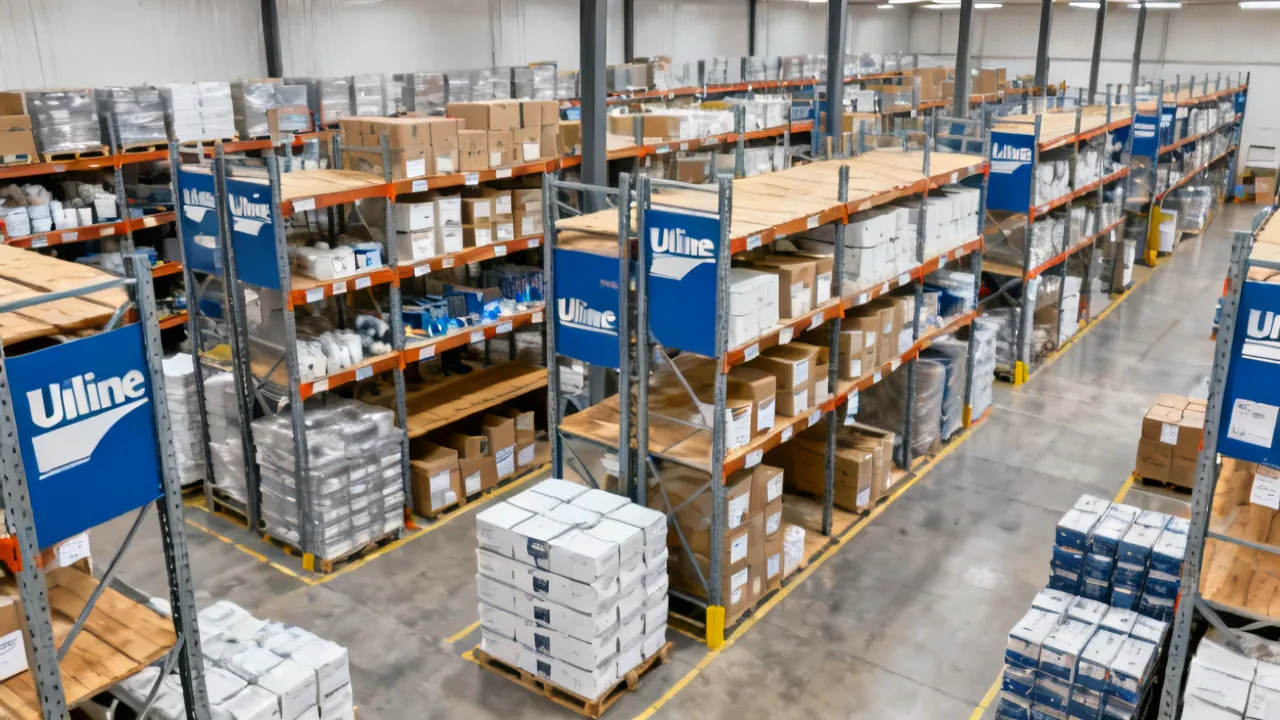
Mastering Storage with Uline Shelving
This guide explores Uline Shelving, a leading solution for optimizing storage spaces across various industries. Known for its durability and versatile applications, Uline Shelving can transform warehouses, retail spaces, and personal storage areas. The article delves into the benefits, features, and typical use cases of Uline Shelving, offering insights for enhancing organizational efficiency.
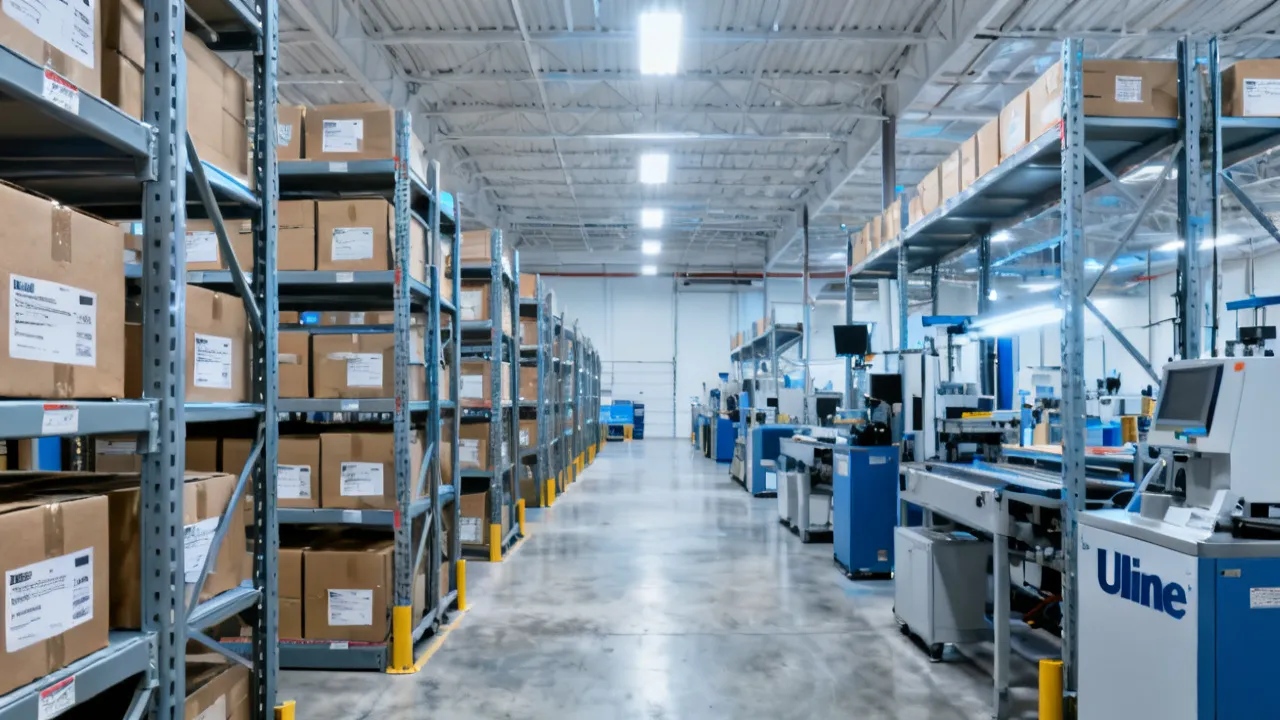
Optimizing Storage with Uline Shelving
Uline Shelving offers diverse storage solutions that support various organizational needs. As a leading name in warehouse and workspace efficiency, Uline's shelving systems are revered for their durability, versatility, and ease of installation. This article delves into the features, benefits, and practical applications of Uline Shelving, offering insights into maximizing storage potential in industrial settings.
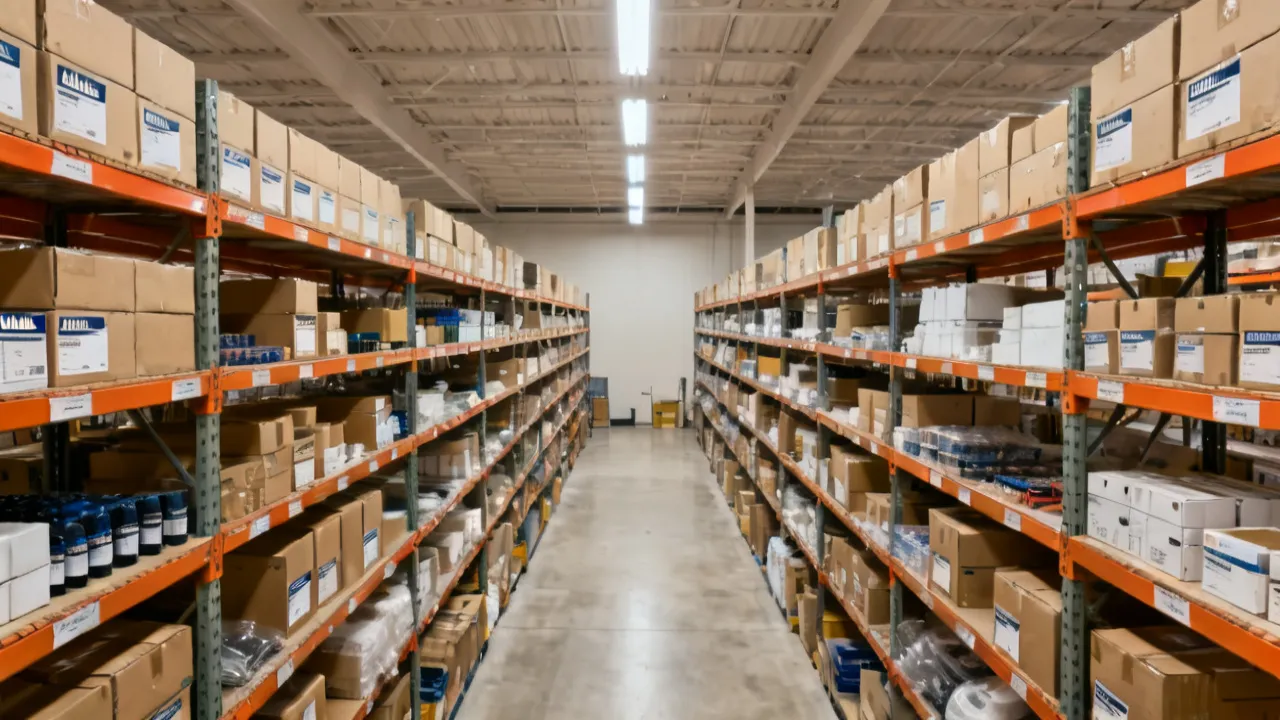
Maximizing Space with Uline Shelving
Uline Shelving is renowned for optimizing storage solutions in industrial and home settings. Known for its durability and versatility, it ensures efficient organization, accommodating various storage needs from bulky items to small components. This article delves into Uline Shelving's key features, advantages, and real-world applications, providing a detailed guide for potential users and businesses.
The Efficiency of Uline Shelving
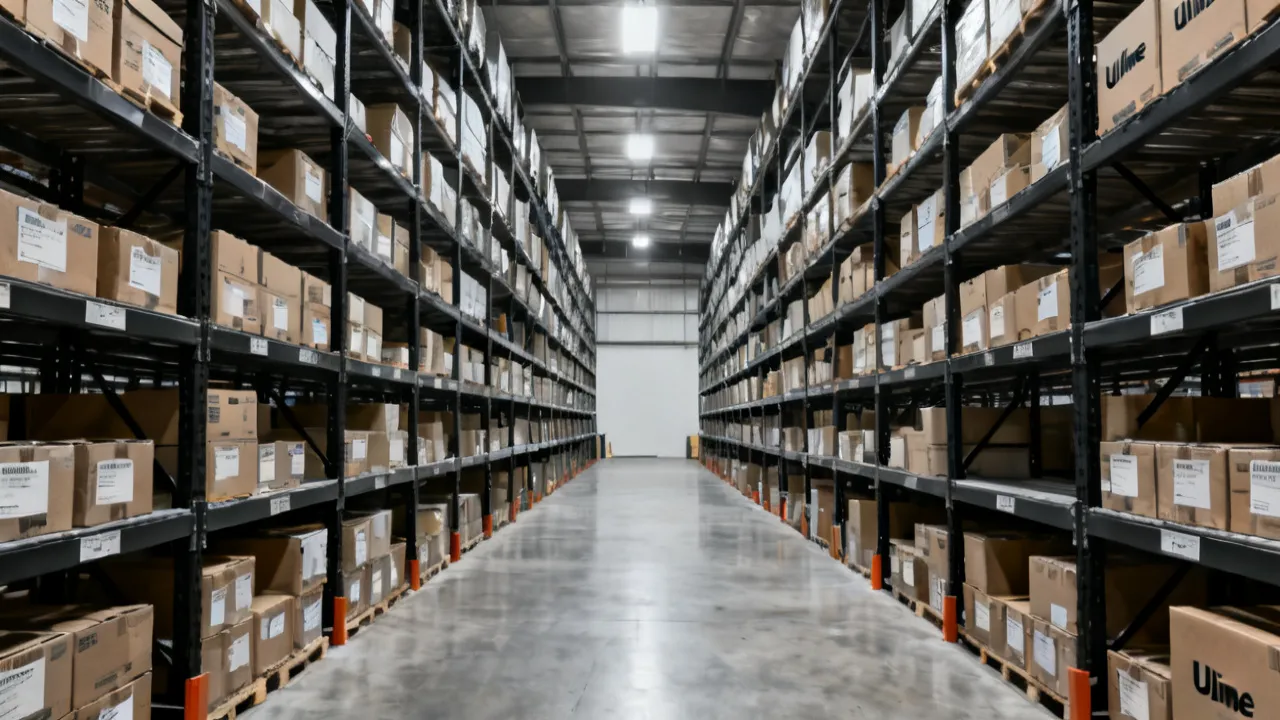
This guide explores the benefits of Uline shelving, a popular choice for organized storage in various industries. Uline shelving, known for its durability and versatility, is essential for maximizing storage efficiency. This article provides an expert perspective on the advantages and considerations when choosing Uline shelving for your storage needs.
Understanding Uline Shelving Systems
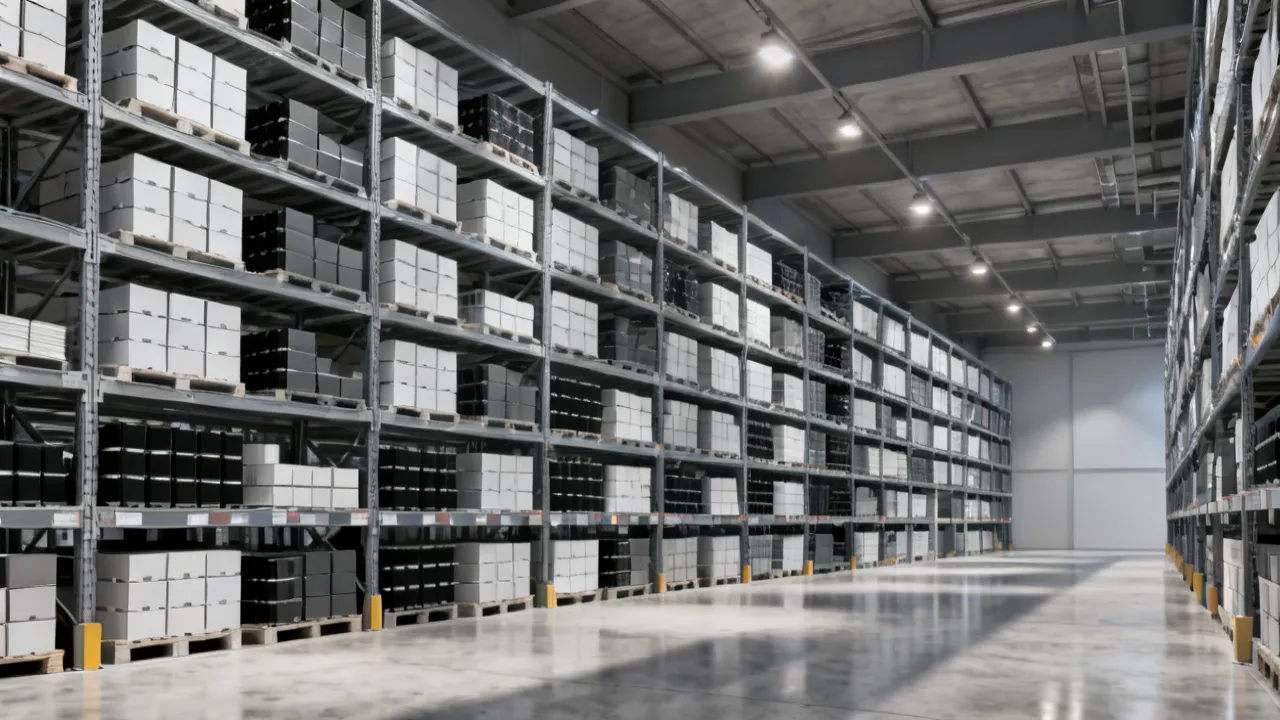
Uline Shelving stands as a prominent solution for efficient storage in various industries. Known for its durability and versatility, Uline Shelving offers a range of options suitable for warehouses, offices, and retail environments. This article explores the functionality, benefits, and top practices associated with using Uline Shelving to maximize space and improve organizational logistics.
The Role of Uline Shelving in Storage Solutions
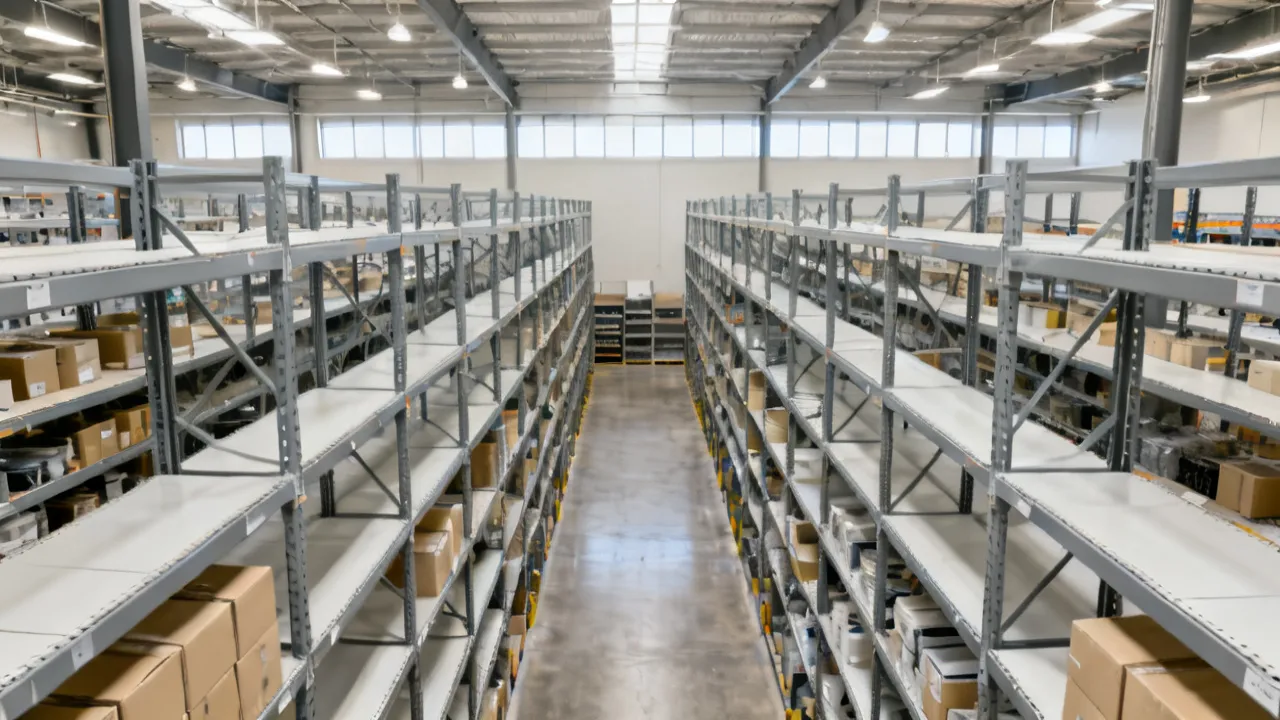
In the industrial storage sector, Uline Shelving has emerged as a cornerstone of effective organizational strategies. Renowned for its durability and versatility, Uline Shelving aids businesses in maximizing space and enhancing operational efficiency. This analysis delves into the components and benefits of Uline Shelving, offering insights into its application across various industries.