This guide explains how to evaluate “Gordo9498416253t” market signals, pricing logic, and supplier reliability before purchasing. The terms connect to common buyer concerns: product authenticity, logistics clarity, and cost drivers. Objectively, “pricing” and “supplier details” reflect the supply chain, risk controls, and customer service maturity that can affect total cost and delivery performance.
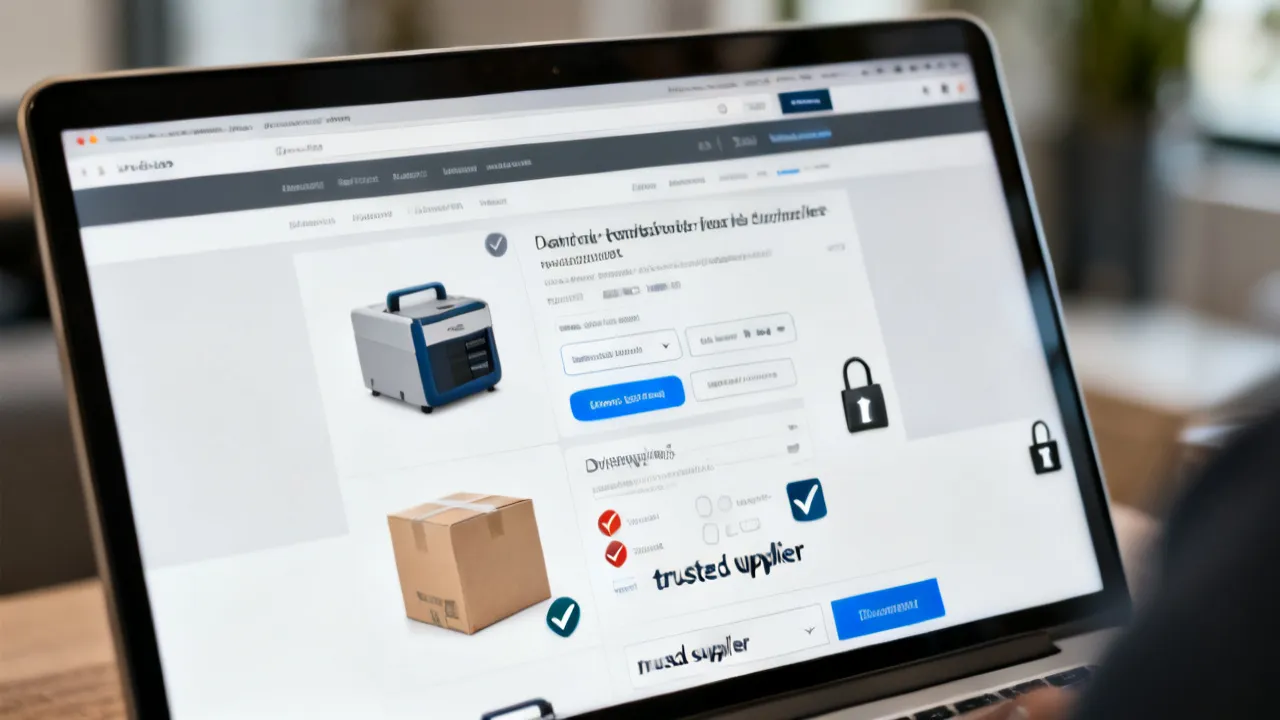
If you encounter the keyword “Gordo9498416253t” alongside purchase-related prompts, treat it as a signal to verify pricing, supplier reliability, and delivery conditions—not as a product guarantee. In practical terms, the smartest path is to (1) confirm what exactly is being sold, (2) compare the listed price against comparable offerings, and (3) validate the supplier’s accountability through documented policies and traceable fulfillment steps. That approach reduces the risk of mismatched expectations, particularly when pricing appears “too neat” or when product descriptions are incomplete.
Because the provided keywords list is incomplete (many entries are blank or contain only partial text), this article focuses on the only fully specified term: Gordo9498416253t. Where other keyword fields are missing, the analysis concentrates on universal buyer evaluation criteria—price composition, supplier documentation, and operational readiness—so your decisions remain grounded and objective.
In real-world commerce and marketplace behavior, short, unusual identifiers like Gordo9498416253t often function as one of the following:
From an industry-operations perspective, the key point is not the string itself—it’s what you can verify around it. Your evaluation should always pivot to concrete information: product specs, unit pricing, shipping fees, return conditions, and the supplier’s fulfillment model.
It’s also helpful to understand how these identifiers appear on buyer screens. Sometimes an identifier is shown because a seller imported catalog data from another system (inventory management software, warehouse tooling, or ERP platforms). In those cases, the identifier might correspond to a specific SKU, packaging configuration, or warehouse bin location. Alternatively, it could be generated by the platform itself for internal analytics or routing. In both scenarios, the buyer’s risk stays the same: you cannot assume quality or correctness based only on a code.
When you see a string like Gordo9498416253t, your objective is to discover its “meaning” in the transaction flow. Does it map to a product page with full specs? Does it map to a bundle? Does it map to a replacement part? Does it map to a specific batch that may have differences in manufacturing date or revision? These are the questions that matter, because they determine whether what you pay for matches what you actually receive.
When you see a price attached to a listing associated with Gordo9498416253t, understand that “price” is rarely a single number. Industry pricing models typically reflect several layers:
To keep your comparison objective, focus on total landed cost rather than the visible unit price alone. “Total landed cost” generally includes shipping, taxes/fees where applicable, and any meaningful service charges. If a listing is associated with ambiguous supplier claims, you should treat the displayed price as incomplete until you confirm checkout totals and policy terms.
Here’s what to watch for in practice. Some listings show a low “teaser” price on the item card, but the checkout includes additional costs such as expedited handling fees, shipping surcharges due to weight or remote delivery, or optional accessories that are required for compatibility. In other cases, the price appears stable, but the supplier’s return policy makes the deal risky: a low price paired with strict non-return conditions can effectively raise the true cost of making a mistake.
You should also watch for the difference between “free shipping” and “free shipping with conditions.” Some sellers advertise free shipping for certain regions, order sizes, or delivery speeds. If you live in a remote area or the order is below a minimum threshold, “free shipping” may disappear in checkout. So the visible price can be accurate, but the delivered price may not be.
Another common pricing factor is currency conversion and tax handling. If the listing originates from a supplier in a different country, taxes may be estimated during browsing and finalized at checkout. That can shift the total cost enough to make your “best deal” comparison invalid. If you’re comparing offers, compare what you will actually pay after all checkout steps.
Finally, consider opportunity cost. If the cheaper listing will likely require returns, repairs, or replacements due to ambiguity, then the low price can be outweighed by your time, shipping back and forth, and downtime. This is especially true for time-sensitive uses such as repairs, projects, or gift deadlines. In those contexts, a slightly higher but more transparent offer can reduce the overall cost of uncertainty.
Supplier reliability is one of the strongest predictors of whether the buyer experience matches the marketing narrative. When evaluating supplier information tied to Gordo9498416253t-related listings, prioritize the following verifiable elements:
From an e-commerce risk standpoint, suppliers that operate with strong internal controls typically reduce fulfillment errors and improve communication. Conversely, vague supplier details often correlate with higher rates of “order mismatch” complaints—items not aligning with expectations in size, compatibility, or packaging contents.
To make this more operational, think about how a good supplier behaves when things go wrong. A mature supplier does not only promise refunds; it explains the process. For example, it may provide instructions for how to obtain a return authorization, specify what photos or documentation are needed for a damaged-item claim, and outline whether the buyer must keep packaging or serial numbers intact. These details may seem small, but they determine whether your refund is frictionless or a prolonged dispute.
Also pay attention to the clarity of warranty language if the product category usually includes warranties (electronics, appliances, certain tools, or branded components). Weak warranty statements can be a red flag: “warranty included” without a timeframe, or “warranty void if used incorrectly” without defining what “incorrectly” means. If the seller’s warranty terms are vague, your practical recourse might be limited.
When supplier details are presented, evaluate whether the supplier is accountable in multiple ways. Do they have a support email and ticket system? Do they provide a return address that matches the company identity? Is the company name consistent across policy pages and checkout? Does the seller provide a shipping origin or warehouse location? Strong suppliers usually behave consistently across these touchpoints.
One more detail that often matters: whether the supplier provides a shipment confirmation that includes a tracking number. Without tracking, buyers can become stuck in an “it’s somewhere in transit” state, and resolving delivery problems becomes harder. If tracking appears only after a long delay or is missing entirely, the supplier’s fulfillment process may be unreliable.
Even when the price looks reasonable, delivery conditions can transform the real outcome. Evaluate:
In practical terms, a slightly higher price with a clearer delivery commitment can be more economical if it reduces reshipping, returns, and downtime. This is especially relevant when you’re planning around deadlines—common for gifts, repairs, or project procurement cycles.
To judge delivery conditions properly, separate processing time from shipping transit time. Many listings provide a delivery window but hide the fact that processing (warehouse prep) may be longer than expected. For example, a listing might state “delivery in 5–7 days,” but the fine print might say “ships within 2–4 weeks.” That means your true timeline is likely much longer. If you’re making purchases for a deadline, you need the processing detail, not only the delivery estimate.
Shipping method matters beyond speed. A standard shipping option may be slower, but it may also be less traceable depending on the carrier and tracking level. Express shipping can reduce risk by providing more consistent handoffs and clearer tracking milestones. In high-value or fragile shipments, the difference can also matter for packaging: some methods include handling protocols and better protective packaging.
Also watch for “delivery estimates” that are presented as non-binding or “subject to change.” Some sellers disclaim that estimates are not guaranteed. That’s not automatically suspicious—logistics can vary—but it means you must treat the date as a best-case scenario. If your personal schedule cannot tolerate delays, you should select a supplier that offers either a stronger delivery commitment or a faster processing workflow.
Packaging and handling considerations should be evaluated when the product is fragile, heavy, serialized, or sensitive to environmental conditions. For example, certain components may require careful packing to prevent damage during transit. If the listing includes photos showing protective packaging (foam, corner guards, tamper-evident seals) or mentions how items are protected, that can be a positive indicator of operational maturity. If it does not, consider the return policy again—because your ability to recover losses depends on your recourse if the item arrives damaged.
Use the following framework as a structured checklist when the listing or reference string includes Gordo9498416253t. It is designed to support objective evaluation without relying on unverifiable claims.
| Evaluation Area | What to Look For | Why It Matters | Minimum Acceptance Condition |
|---|---|---|---|
| Product Identity | Clear specifications, compatibility notes, and complete variant details | Prevents “ordered the wrong version” outcomes | Specs match the intended use case without contradictions |
| Price Composition | Checkout total transparency (shipping, taxes/fees) and consistency between page and checkout | Ensures you compare like-for-like offers | Final checkout total is confirmed before payment |
| Supplier Documentation | Return/refund policy, warranty language, and order support contacts | Determines your recourse if something goes wrong | Policy is explicit with timelines and responsibilities |
| Fulfillment Reliability | Order processing time, shipment confirmation practices, and carrier details | Predicts delivery performance and reduces uncertainty | Clear processing timeline is provided |
| After-Sale Responsiveness | Support escalation steps and realistic issue resolution patterns | Impacts refund speed and replacement success | Support path exists and policy supports resolution |
To make the checklist even more practical, you can score each category with a simple pass/fail (or low/medium/high confidence) system. For example: product identity is a “fail” if compatibility details are missing; price composition is a “fail” if checkout totals change unexpectedly; supplier documentation is a “fail” if the return policy lacks a timeline or requires ambiguous conditions; fulfillment reliability is a “fail” if shipping and processing details are inconsistent or entirely absent. When multiple categories fail, you should treat the purchase as high-risk regardless of how appealing the visible price appears.
One more subtlety: sometimes a listing can look strong on product specs but weak on after-sale responsiveness. In those situations, you’re betting that nothing will go wrong. If you’re okay with that risk, you might proceed. But if the item is essential to your schedule or function, prioritize after-sale support because the true cost of failure can be substantial.
This guide uses standard commerce operations concepts (pricing transparency, fulfillment reliability, and consumer protection norms). For broad background on how e-commerce risk and consumer policy frameworks are handled in practice, you may consult general materials such as:
Specific performance statistics are intentionally omitted here because the prompt does not provide verified figures for the keyword “Gordo9498416253t” or an identifiable supplier. Responsible analysis requires that claims are traceable to reputable sources and the relevant dataset.
Follow this order of operations to reduce avoidable errors. Think of it as a procurement mini-audit.
When you see Gordo9498416253t, first identify whether it’s a product code, order reference, or variant label. Confirm the product name, model/variant details, and any included accessories.
Practically, you can verify identity by cross-checking multiple signals. Start with the product page title and description: do they match the identifier? Look for a SKU or variant selection dropdown that corresponds to the same code. If the listing has multiple variants, make sure the selected option matches the “Gordo9498416253t” code shown elsewhere. If you’re only seeing the identifier in a search prompt or in a partial page, then it might not be mapped to a fully defined product selection—meaning you should treat it as incomplete.
If the identifier is displayed in a support context (“your order reference is…”) then the most important verification is whether you can match it to a specific product and quantity. Buyers sometimes receive messages that reference a code but omit product details. In those cases, you should not pay until the seller confirms the exact item, revision, quantity, and shipping address are correct.
Compare the displayed price to the checkout total. Make sure shipping, taxes/fees, and any handling charges are either disclosed clearly or absent until checkout. If the seller interface changes totals late in the process, pause and reassess.
To do this reliably, adopt a “no payment until totals match” rule. Many ecommerce sites allow you to proceed through checkout until the final confirmation screen. You can use that to confirm the final amount and then go back to check whether the product details match what you expect. If the site or seller uses multiple steps (shipping details first, then payment, then confirmation), compare totals at each stage. If totals are updated only after you enter your address, it can indicate location-based shipping fees. That’s normal sometimes—but it should still be transparent.
Also verify whether the price includes any prerequisites or mandatory accessories. Some categories require additional components for functionality. For instance, certain hardware may require specific brackets or adapters, and certain electronics may require cables or power supplies. If the listing uses ambiguous language like “compatible with” or “works with” without specifying included items, you may be paying for something that doesn’t fully meet your needs. In those cases, your “total price” may be incomplete because you later need additional purchases.
Another useful step is comparing the unit price to similar listings from other suppliers. The goal isn’t to find the cheapest listing at all costs. The goal is to detect outliers. If a listing is dramatically lower than similar offers, that may be because it’s a different revision, a different bundle size, used stock, missing accessories, or a different warranty level. Low price can be legitimate, but when combined with incomplete documentation it becomes a risk multiplier.
Read return/refund terms carefully. Look for:
Supplier policies are the operational truth of the business. Marketing language can be optimistic; policy language tells you what will happen when something deviates from the expected outcome.
To evaluate policy quality, look for specificity. A strong policy states the timeline (e.g., “returns accepted within 30 days”), the condition (e.g., “items must be unused and in original packaging”), and responsibilities (e.g., “buyer pays return shipping unless item is defective or damaged”). Weak policies often omit one or more of these elements. If the return policy is silent on shipping responsibility or the condition requirements are vague, you may experience friction later.
Also examine whether the seller distinguishes between categories of returns: defective vs. “changed mind,” damaged in transit vs. buyer’s misuse. For buyers, the most favorable scenario is when defects or shipping damage trigger a straightforward remedy. If the seller treats many issues as “buyer’s responsibility,” your risk increases.
Finally, check whether the seller provides a clear warranty claim pathway. Some listings say “warranty included” but do not explain how to file a claim. Others require you to contact the manufacturer directly instead of handling warranty through the seller. That can be valid, but it should be explicit. A buyer should understand whether they will need to manage the claim process themselves and what evidence is required.
Find the stated processing time and the delivery estimate. If the listing says it ships quickly but provides a long processing window in fine print, align your timeline accordingly. Avoid purchases where timing uncertainty would cause significant loss.
One way to reduce uncertainty is to interpret the “worst case” delivery timeline. If a listing says: “processing 3–5 business days” and “delivery 5–7 business days,” then the worst-case delivery might be 10–12 business days. If you need the item by a hard date, plan with margin (for example, order early enough that even the worst case still arrives). If a seller does not provide processing time at all, treat that as missing information and consider avoiding the purchase unless you can tolerate delays.
Also watch for “split shipments” language. Some suppliers fulfill items from multiple locations, especially when a bundle includes components. That means you might receive partial deliveries at different times. If the item is time-sensitive or you need all components together, split shipments can complicate your timeline. Verify whether bundles ship together and whether the listing clarifies what happens when one component is delayed.
If you’re buying something that requires serialization, customization, or pre-assembly, processing time becomes even more critical. Custom items might have longer lead times. Even small customization can create delays beyond typical inventory shipping. The listing should mention whether customization is included, and if so, how long it takes.
For electronics, hardware, consumables, or any item with specifications, ensure the listing includes compatibility statements. If the listing lacks critical compatibility info, request clarification before purchasing.
Compatibility risk often arises in several ways:
If a listing associated with Gordo9498416253t lacks compatibility details, your best action is to ask the seller a direct question. For example: “Will this item work with [exact model]?” or “Does it include [required component]?” or “What revision is this code tied to?” This transforms the purchase from guesswork into clarification. You should ideally get a response in writing (within the platform messaging system or via email) so you can reference it later if there is a mismatch.
Another practical step is to cross-check product specs against manufacturer documentation or reputable third-party sources. Even if the seller description is plausible, you can validate key parameters such as dimensions, connector types, or supported standards. If the seller data contradicts known specs, treat that as a mismatch indicator. When the code appears alongside incomplete descriptions, it’s better to verify externally before you pay.
Finally, choose based on total landed cost and your tolerance for uncertainty. If two offers are close in total cost, the one with clearer supplier documentation and fulfillment transparency is usually the safer selection.
Think of decision-making as balancing three axes:
A listing with lower price but poor recourse can be more expensive in practice. Recourse includes not only policy text but also how the seller operates when you request help. If the seller is responsive and offers clear procedures, you have more confidence that your dispute process will work.
When offers are close, prioritize the one that reduces uncertainty. Clear product specs reduce mismatch risk. Transparent shipping timelines reduce scheduling risk. Explicit return conditions reduce your financial risk. In other words, the “best deal” is not always the cheapest; it’s the one with the most reliable pathway to a satisfactory outcome.
To expand on that last point, consider incremental purchasing. If you’re unsure, ordering a small quantity first can reduce exposure. This is particularly important for products where compatibility or variant selection might lead to wasted inventory—such as replacement parts or specialized consumables. By testing with a single purchase, you learn whether the item matches expectations before scaling up.
Also consider payment method as part of risk management. Some payment methods provide stronger dispute resolution (chargeback options, protected transactions, or escrow models). While this article focuses on evaluation criteria rather than payment mechanics, in practical procurement it’s wise to ensure you have an appropriate level of protection. However, regardless of payment protection, you still want to reduce risk at the source by verifying identity, pricing, and policies.
In modern e-commerce, many failures happen not due to “bad intent,” but due to operational gaps—inventory mismatch, unclear variant selection, insufficient labeling, or delayed communication. When buyers encounter an identifier such as Gordo9498416253t, it can indicate a listing context (variant, batch, or internal reference) that should be paired with transparent supplier operations.
From a risk-management perspective, your top defense is to ensure that the seller’s operational commitments are visible before you pay: clear pricing totals, explicit return/refund logic, and delivery expectations grounded in real processing workflows.
Let’s translate this into real buyer outcomes. Many complaints are not simply “the product didn’t work.” They are “the product was not what I ordered,” or “the seller took too long,” or “the return policy was not what it seemed,” or “the shipment arrived damaged and the process to resolve it was slow.” Operational checks help you avoid those specific failure modes.
For example, if the seller provides incomplete specs, the most likely failure mode is mismatch. If the seller provides clear specs but provides no return window, the likely failure mode is cost absorption by the buyer. If the seller provides reasonable specs and a return policy but has unclear delivery and long processing times, the likely failure mode is missed deadlines. Your evaluation should therefore be targeted to the likely failure mode suggested by the listing’s information quality.
Also remember that identifier-only visibility is itself a clue. When a code is present without a clear mapping to a product specification set, you should treat the transaction as higher risk. In mature ecommerce flows, a code typically connects to a fully specified item description. If your experience shows that the code appears but the listing details are missing, you may be dealing with a partial or ambiguous reference. That ambiguity is what you’re trying to resolve before payment.
It’s common to encounter listings where parts of the information are missing, contradictory, or difficult to interpret. Since Gordo9498416253t itself may not carry meaning for the buyer, the surrounding listing context becomes crucial. Here are practical scenarios and how the same evaluation principles apply.
Sometimes you may see Gordo9498416253t attached to a checkout prompt or a search card, but when you open the product page, key details are missing: no compatible model numbers, no dimensions, or no list of included accessories. In that situation, do not proceed with assumption-based purchasing.
Action steps:
Why this works: it converts a high-uncertainty purchase into a confirmed transaction where you have evidence for your recourse if the item arrives differently than described.
Another scenario is where the listing shows a compelling price, but checkout adds shipping, handling, or other charges. Some add-ons are normal, but the key is transparency and reasonableness.
Action steps:
Why this works: it stops you from being anchored to a promotional price that doesn’t represent the real transaction cost.
Listings can be misleading when they emphasize delivery windows without providing adequate processing time. A seller might say “delivery in 3–5 days,” but only after a delay (e.g., ships in 2–3 weeks). This is especially risky for time-sensitive needs.
Action steps:
Why this works: it aligns your purchase timing with logistics reality rather than marketing optimism.
Sometimes a listing offers returns but with conditions that make returns impractical. For instance, returns might be allowed only for unused items and only if packaging is intact—fine in principle, but problematic if the product is designed to be opened or tested.
Action steps:
Why this works: it avoids a situation where you can’t meaningfully return the item even though returns are “technically allowed.”
Support maturity is a critical indicator of supplier accountability. If the seller hides contact details, provides only a generic form, or offers no clear support escalation path, resolution becomes slow when problems occur.
Action steps:
Why this works: it increases your odds of successful resolution within a timeframe that matters.
“Price vs. value” becomes meaningful when you connect the price to the value drivers you can verify. For a listing associated with Gordo9498416253t, the value drivers are typically:
Here is a practical method to evaluate value without getting lost in marketing claims:
Method: The “Expectation Mapping” check
This method is especially useful when identifier strings like Gordo9498416253t do not carry buyer meaning by themselves. You rely on explicit documentation rather than assumption.
Beyond the evaluation framework, you can add risk controls that make purchases safer. These controls are not about distrust; they are about making your decision process robust.
If the listing information is incomplete, avoid large upfront orders. Consider a test purchase if possible. If you need multiple units for a project, split the order and confirm the first shipment before scaling.
Take screenshots or save links showing key details: product specs, compatibility statements, delivery estimate, and return policy text. This matters if the listing content changes after you pay or if a dispute arises.
Good buyer questions are precise and evidence-oriented. For example:
When possible, keep communication inside the platform messaging system so the conversation is traceable.
Damage-in-transit is a real category of failure. Make sure the seller provides instructions for how to file a damaged-item claim and whether they require photos of packaging. This can affect how quickly you receive a replacement or refund.
If the listing price is far below typical market rates, check the product identity and bundle contents. Sometimes low pricing is associated with missing components, shortened warranties, or different manufacturing revisions. Low price alone is not proof of fraud; but combined with missing specs and restrictive returns, it is a strong reason to avoid or clarify.
Even careful buyers sometimes focus on the wrong details because they assume ecommerce listings behave consistently. Here are common areas where misunderstanding can cause issues:
For many product categories, compatibility statements mean the seller believes it will work with certain devices, not that the bundle includes all necessary components. Always read the included-items list and confirm accessories.
Some sellers use “estimated delivery” language that indicates non-guaranteed timelines. If you have a hard deadline, treat estimates as best-case and select suppliers with more reliable processing.
If you need to open packaging to verify compatibility, but the return policy requires it to remain sealed, returns may be blocked in practice. Clarify whether “opened but unused” qualifies.
For items that include serial numbers (or are made to order), returns can be restricted because the supplier can’t resell opened or activated units. In those cases, verify the supplier’s process for returns and warranty claims.
“Gordo9498416253t” appears to function as a reference string associated with a listing, variant, or internal identifier. The identifier itself is not enough to confirm quality; you must verify the product details, price composition, and supplier policies linked to it.
Compare the page price to the checkout total. Check whether shipping, taxes/fees, and handling charges are disclosed transparently. If the final total differs materially from the initial display without explanation, reconsider the purchase.
Also compare the total landed cost to similar listings. If the total is unusually low but the return policy is restrictive or specs are incomplete, that combination is a common warning signal.
Prioritize return/refund terms, warranty coverage (if applicable), order processing time, shipment confirmation practices, and support escalation steps. These elements reflect operational accountability more than promotional text.
In practice, return and warranty terms are often more important than star ratings alone, because they define your recourse if something goes wrong.
Delivery estimates can be reliable when they include a realistic processing timeline and a clear carrier method. If processing time is vague or delivery windows frequently shift, adjust your expectations and consider purchasing only if your deadline can tolerate uncertainty.
When in doubt, calculate a worst-case scenario and ensure you can still meet your needs even if the seller processes near the upper bound of its timeline.
If essential information (product specs, return conditions, or total pricing) is missing or inconsistent, it’s better to request clarification first. Objective procurement means you decide after verifying the terms that govern your recourse and the expected delivery.
Buying before clarifying is only reasonable if the stakes are low and the return policy provides a smooth path back. If the item is expensive or deadline-bound, clarifying is strongly recommended.
Mismatch issues most commonly arise from variant confusion or incomplete specs. By verifying identity, compatibility, and policy terms in advance—then comparing total landed cost—you reduce the probability that the received item differs from your intended requirements.
Also remember that mismatch can include packaging contents. Even if you receive the correct “main item,” the order might be missing accessories required for use. Clear bundle contents reduce that risk.
Limited supplier information increases uncertainty and typically shifts risk onto the buyer. In such cases, reduce exposure (e.g., avoid bulk orders) and seek confirmation on policies, processing time, and product specifications before purchase.
If you can’t get clarification, consider selecting a different listing with better documentation—even if it costs slightly more.
Yes. Total landed cost, return/refund rules, fulfillment timing, and support responsiveness often determine the real value. Two listings with the same visible price can produce different outcomes depending on supplier operations.
Value is the probability of a successful outcome multiplied by the cost. A slightly higher price can be better if it increases certainty and improves recourse.
When “Gordo9498416253t” appears in your purchasing context, treat it as a reference that must be validated through verifiable product identity, transparent pricing, and documented supplier policies. By following the step-by-step checklist and focusing on landed cost plus operational accountability, you improve decision quality and reduce the chance that delivery or product specifics fail to match expectations.
Ultimately, your goal is not to interpret the string itself—it’s to ensure the transaction is well-defined. If the listing associated with Gordo9498416253t provides the information needed to confirm identity, cost, delivery, and recourse, then you can make a grounded decision. If it does not, your best move is to clarify before you pay, or choose an alternative listing where the supplier’s operational commitments are more clearly documented.
Striking the Perfect Balance: Navigating Premiums and Out-of-Pocket Expenses in Senior Insurance Plans

Explore the Tranquil Bliss of Idyllic Rural Retreats

How to Make Lasting Memories at Disneyland Attractions

Affordable Phones and Plans for Seniors

Affordable Full Mouth Dental Implants Near You

Unlock the Top Kept Secrets to Finding Your Ideal Dentist for Flawless Dental Implant Results!

Discovering Springdale Estates

Unveiling RS Sul Telecom Services

The Guide to Car Trading


Navigating Retirement Planning with Confidence
Approaching retirement brings a mix of excitement and concern. Finding the right retirement advisor is crucial for a secure and comfortable future. This guide offers practical advice on selecting an advisor, understanding their roles, and becoming financially astute yourself.
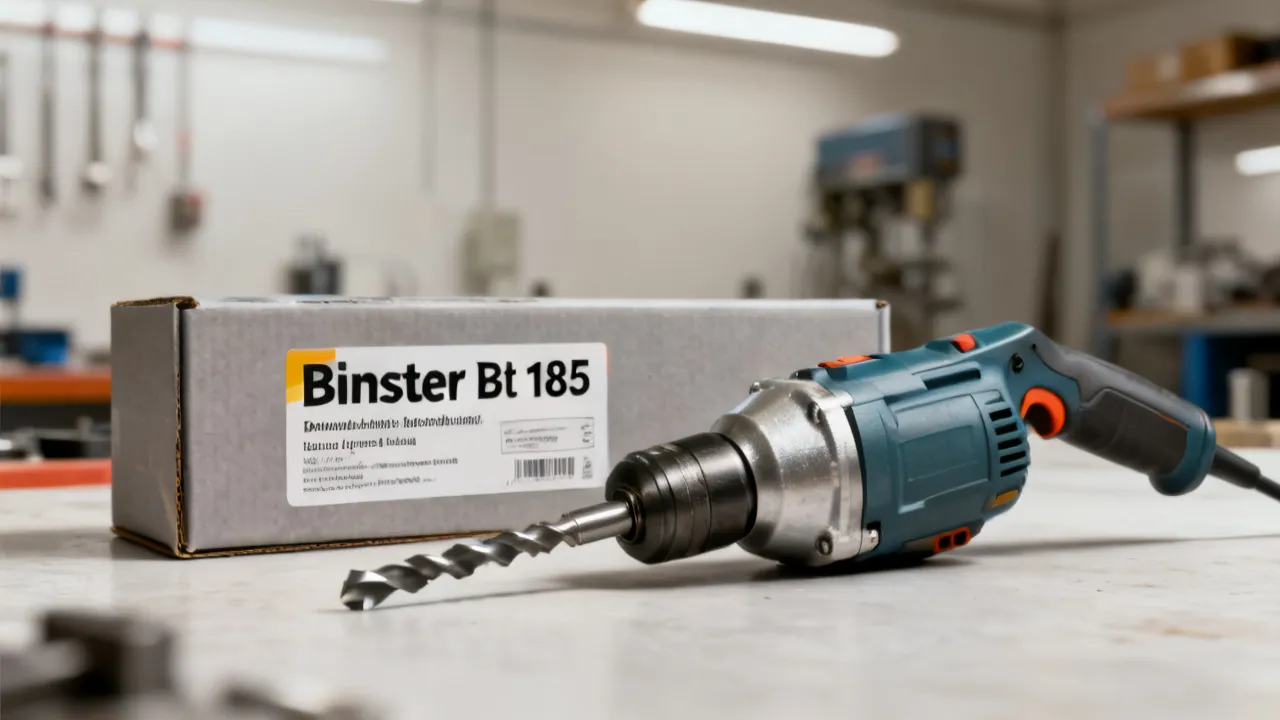
Binster Bt 185: Buyer’s Guide and Market Analysis
Binster Bt 185 is a specific industrial model people look up for procurement decisions, compatibility planning, and performance expectations. This guide explains, in an objective way, what buyers typically evaluate—specs, supplier reliability, documentation, and risk controls—so you can compare offerings and choose confidently based on verified information.

Posic Ebserh: How to Understand Your Options
Posic Ebserh helps people navigate healthcare-related planning and service access with clarity. This guide explains the core meaning and context behind the terms, then offers an objective framework for evaluating programs, responsibilities, and practical next steps. It also highlights what to prepare before contacting a supplier or healthcare coordinator, using neutral criteria and local sensitivities.

Using NotebookLM Effectively for Smarter Knowledge Work
This guide explains how NotebookLM can support structured note-taking and efficient knowledge work, from organizing sources to improving retrieval and writing workflows. Background context covers what NotebookLM is, why notebook-style systems matter, and how professionals commonly evaluate accuracy, privacy, and reliability when working with AI-assisted research tools.
PrismaJOY: Expert Guide to Procurement and Use
This guide explains how PrismaJOY fits into modern product sourcing and selection, with practical, buyer-focused considerations for quality, compatibility, and supplier reliability. Objectively, it outlines what the keyword terms typically imply in the digital commerce and procurement ecosystem, and how to evaluate options using clear requirements rather than assumptions.

Understanding Sdfbn: Supplier, Pricing, and Market Guidance
This guide explains how to evaluate “Sdfbn” by comparing supplier reliability, pricing signals, and procurement requirements. Objectively, it examines what “Sdfbn” typically refers to in procurement conversations, how buyers assess documentation, lead times, and specifications, and why consistent supplier qualification matters for risk control. It also provides a comparison table, decision steps, conditions, and FAQs.