This article delves into the pivotal study by Heuvel & Bondarouk 2016, focusing on strategic human resource management. The interplay of technology and HR practices underscored in their work emphasizes a transformational shift in managing human capital, offering a comprehensive framework for modern organizations to enhance efficiency and employee satisfaction.
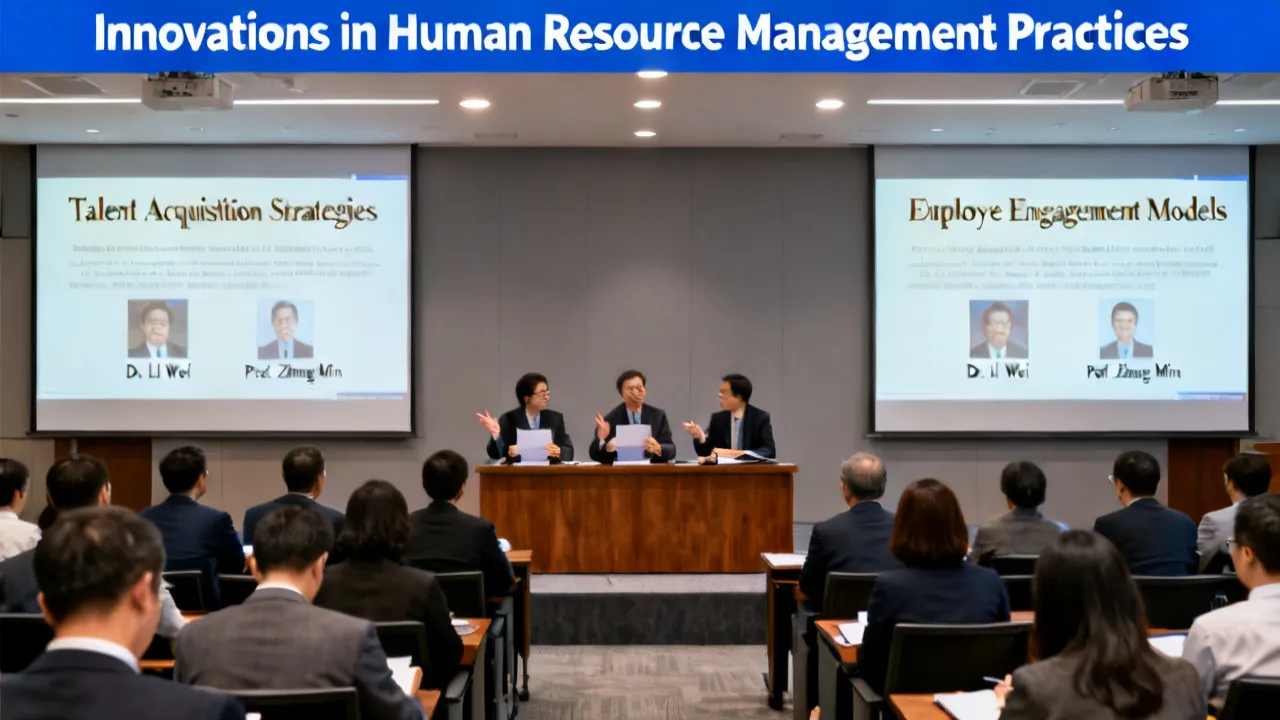
At the heart of contemporary human resource management (HRM) lies the integration of technology and strategic planning to enhance organizational effectiveness. The study by Heuvel & Bondarouk (2016) serves as a cornerstone in this area, exploring how strategic HRM can act as a catalyst for innovation and competitive advantage. It articulates the need for organizations to adapt to technological advancements, which are rapidly changing traditional HR practices. This transformative journey requires HR professionals to rethink their strategies and roles, placing greater emphasis on agility, data analytics, and employee engagement.
Heuvel & Bondarouk's seminal 2016 paper offers an in-depth analysis of how technology shapes strategic human resource management. They propose that by utilizing technology, HR departments can perform a more strategic role within organizations, emphasizing efficiency, data-driven decision-making, and enhanced employee engagement. This aligns with the broader trend of digital transformation across industries and highlights the importance of HRM’s evolution in response to societal needs and technological trends.
The integration of technology fosters innovative HR practices that can dramatically change the organizational landscape. For instance, many companies are now leveraging artificial intelligence (AI) for recruitment, using algorithms to sift through resumes and identify candidates who fit specific criteria. Additionally, social media platforms have transformed employer branding strategies, allowing companies to present their cultures more authentically and reach potential talent directly. Through this lens, Heuvel & Bondarouk’s research helps to illuminate the connection between strategic HRM and the rapidly advancing technological environment.
The Heuvel & Bondarouk (2016) study outlines several critical points that are instrumental for organizations aiming to modernize their HR practices:
Implementing the insights from Heuvel & Bondarouk requires a structured approach. The following steps offer a roadmap for organizations seeking to embody strategic HRM effectively:
Organizations should start by evaluating their existing HR capabilities and identifying gaps in technology and process management. A SWOT analysis can assist in pinpointing strengths, weaknesses, opportunities, and threats related to HR functions.
It's essential to explore various technological options, including applicant tracking systems (ATS), performance management software, and employee engagement platforms. Organizations should align these tools with their strategic objectives and employee needs.
Use data analytics to gather insights on employee performance, satisfaction, and overall productivity. This integration can enhance workforce planning and help identify areas for improvement across the organization.
To successfully implement these technologies, HR staff must be comfortable using new tools and systems. This can be achieved through training programs, workshops, and continuous support.
Post-implementation, organizations should regularly review HR processes and use feedback to make iterative improvements. Stay updated on new technologies, and be flexible to shift strategies as needed.
While the strategic integration of technology into HRM offers significant benefits, organizations may encounter several challenges that can impede the adoption process. Understanding these potential roadblocks can aid in developing strategies for overcoming them:
Q: What is the significance of Heuvel & Bondarouk's study in current HR practices?
A: Their study is instrumental in understanding the dynamic role of technology in modernizing and strategizing HR functions within organizations, positioning HR as a pivotal player in driving organizational change.
Q: How does strategic HRM contribute to organizational success?
A: By aligning HR objectives with overarching business goals through technology and data, strategic HRM ensures more effective resource management and increased competitiveness. This integration helps businesses quickly respond to market changes and enhance their overall resilience.
Q: What challenges might organizations face when implementing strategic HRM techniques?
A: Common challenges include resistance to change, limited technological proficiency among HR staff, initial integration costs, and ensuring data privacy and security. Addressing these challenges proactively can enhance successful implementation.
Leadership plays a critical role in the successful implementation and ongoing support of strategic HRM initiatives. Leaders must act as champions of change, advocating for the necessary investments in technology and processes that enhance HR capabilities. This requires a clear vision and a commitment to fostering a culture that embraces innovation and continuous improvement.
A vital aspect of leadership in this context is the ability to effectively communicate the purpose and advantages of strategic HRM initiatives. Leaders should articulate how these changes can lead to improved organizational performance, employee satisfaction, and better alignment with business objectives.
Furthermore, successful leaders will empower HR teams to take the lead in driving these transformations. This involves providing HR professionals with the authority and resources to explore new technologies, engage in strategic workforce planning, and propose initiatives that align with business goals. By fostering an environment where HR is seen as a strategic partner rather than an administrative function, organizations can maximize the potential of their talent and resources.
As HRM continues to evolve, several future trends are likely to shape the landscape of strategic HRM:
Organizations that proactively adapt to these trends, utilizing the insights gleaned from studies like those of Heuvel & Bondarouk, will be better positioned to achieve strategic objectives and embrace the complexities of the modern workforce.
The insights provided by Heuvel & Bondarouk in 2016 illuminate a clear path forward for HR professionals and organizations. Embracing technology and understanding its implications for strategic human resource management is no longer optional; it is a necessity for those looking to thrive in the rapidly evolving business landscape. As organizations begin to recognize this, the future of HR promises to be more data-driven, efficient, and aligned with the shifting demands of the workforce and marketplace. The proactive implementation of strategic HRM will ultimately lead to a more agile, innovative, and resilient organizational structure, better equipped to meet both the challenges and opportunities of the future.
Striking the Perfect Balance: Navigating Premiums and Out-of-Pocket Expenses in Senior Insurance Plans

Explore the Tranquil Bliss of Idyllic Rural Retreats

How to Make Lasting Memories at Disneyland Attractions

Affordable Phones and Plans for Seniors

Affordable Full Mouth Dental Implants Near You

Unlock the Top Kept Secrets to Finding Your Ideal Dentist for Flawless Dental Implant Results!

Discovering Springdale Estates

Unveiling RS Sul Telecom Services

The Guide to Car Trading


Exploring the Retipster Club Advantage
The Retipster Club is an invaluable resource for real estate investors, offering a plethora of insights, tools, and community support to boost investing endeavors. Aimed at helping both novice and seasoned investors, the club provides educational materials, success stories, and expert strategies tailored to the ever-evolving real estate market landscape. Dive into this analysis to understand the manifold benefits the Retipster Club offers to enhance real estate success.

Navigating the Retipster Club
This article delves into the unique offerings of the Retipster Club, a community designed for individuals interested in real estate investment, providing educational resources and networking opportunities. Discover how the club supports its members through expert advice, comprehensive guides, and a robust community platform, all tailored to foster insightful and profitable investment strategies.
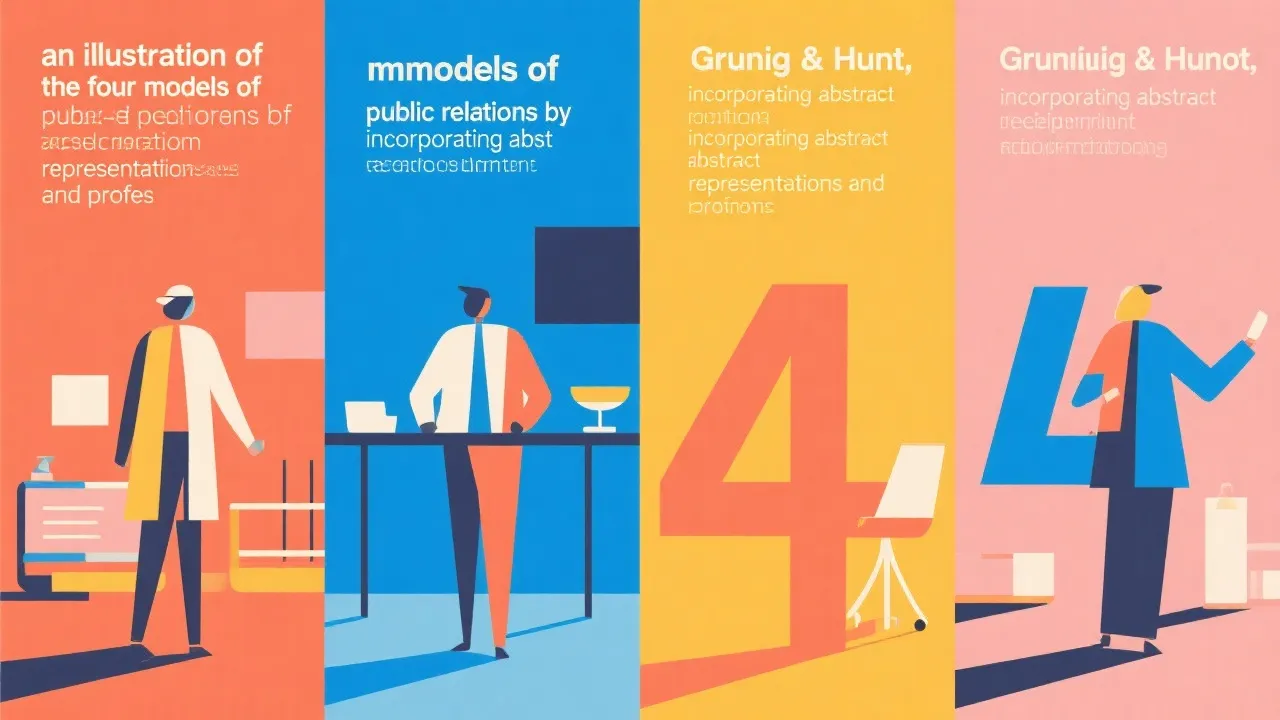
Unveiling Grunig & Hunt's PR Models
This article explores the seminal work of Grunig & Hunt in developing models of public relations. The Grunig & Hunt models, fundamental to understanding PR theory, provide insight into the strategic approaches and methodologies utilized in the field. Each model offers a distinctive perspective on communication and engagement strategies, relevant to both academic discussions and practical applications.
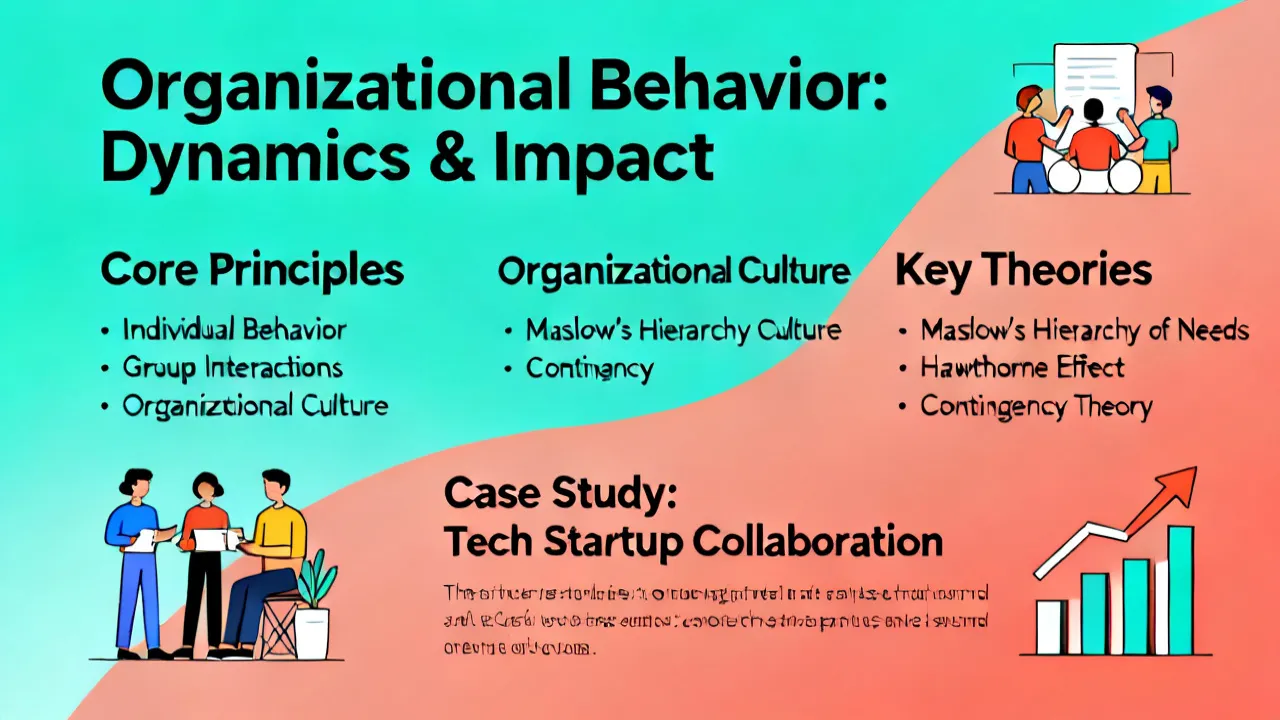
Understanding Organisational Behaviour Slideshare
This article delves into the significance of Organisational Behaviour Slideshare for both educators and professionals. Organisational Behavior is a field that examines the impact individuals, groups, and structures have on behavior within organizations, aiming to improve an organization's effectiveness. With Slideshare's platform, these insights are easily shared, promoting a collaborative learning environment.
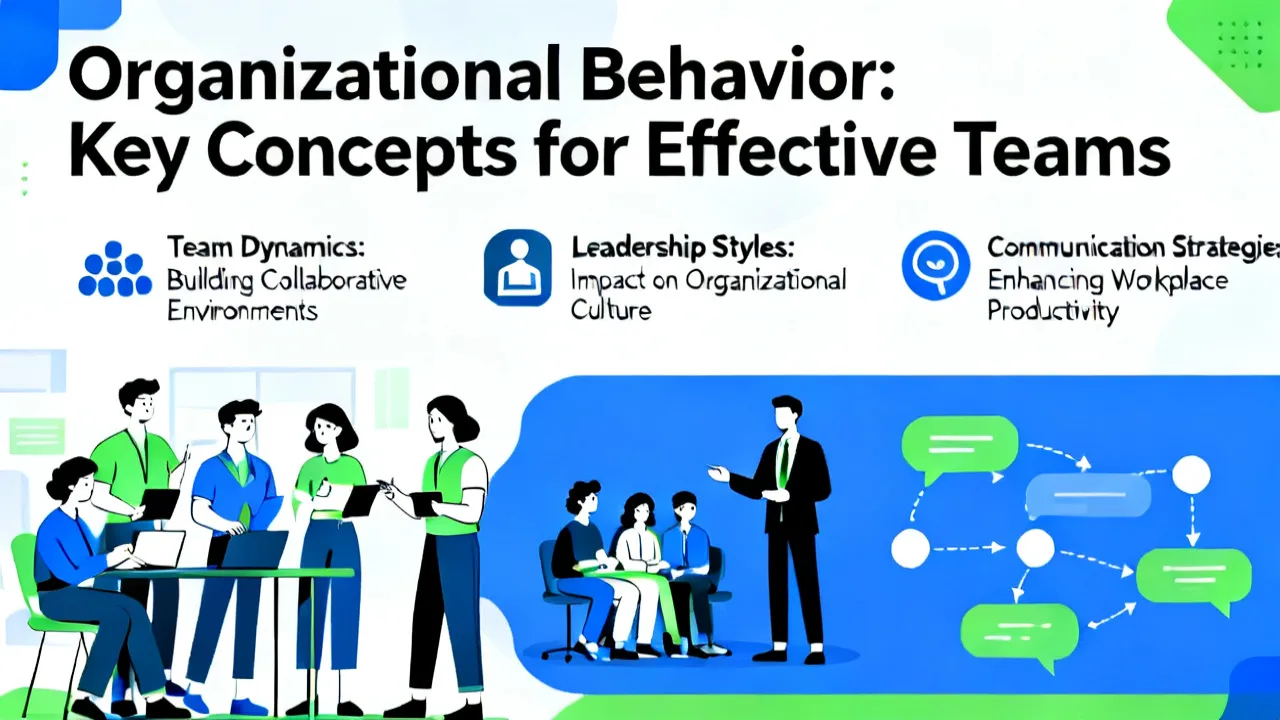
Mastering Organisational Behaviour Dynamics
This guide explores the intricacies of Organisational Behaviour through Slideshare resources. It delves into the study of how people act within groups and organizations, offering insights into the psychological and sociological factors that influence workplace dynamics. This comprehensive analysis examines theories and practices to enhance understanding and improve corporate environments, supported with FAQs and expert perspectives.
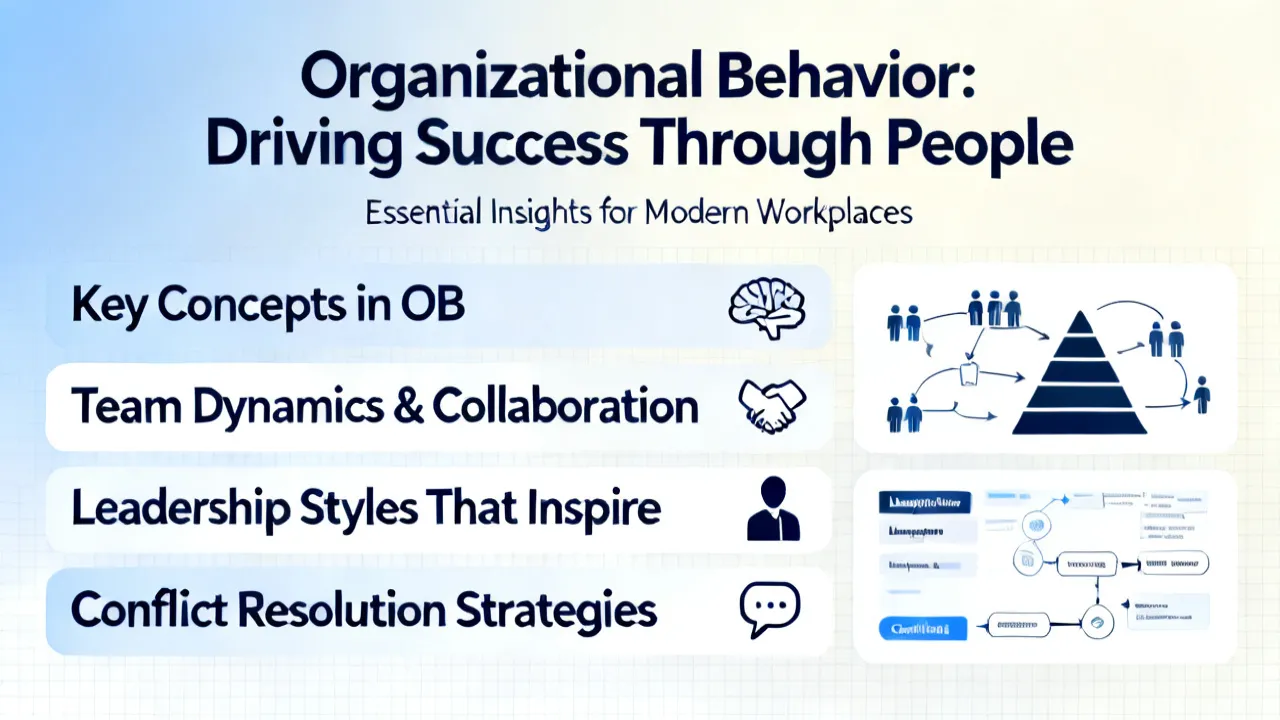
Mastering Organizational Behavior
This comprehensive guide explores the significance of organizational behavior within corporate settings, providing a deep dive into theories and practical applications as depicted on popular platforms like Slideshare. Organizational behavior studies the impact of individuals, groups, and structures on behavior within organizations to improve an organization's effectiveness.