This article delves into the significant contributions of Heuvel & Bondarouk from 2016, emphasizing their research's impact on modern organizational practices. Their study offers a comprehensive perspective on human resource management, highlighting trends that continue to influence the field deeply. The article also features an analysis of key strategies and potential applications of their findings in enhancing organizational efficiency and workforce engagement.

In the ever-evolving sphere of business and human resource management, the contributions of Heuvel & Bondarouk in 2016 have marked a pivotal shift in understanding organizational dynamics. Their research emphasized the intersection of technology and human resource practices, exploring how digital tools influence workforce management. As organizations navigate the complexities of modern work environments, the findings of this study provide a framework for integrating digital solutions that enhance HR functions and drive organizational success.
Heuvel & Bondarouk introduced a framework that evaluated the use of e-HRM (electronic Human Resource Management) systems, emphasizing the integration of digital technologies in traditional HR activities. This research focused on the transformative power of technology in enhancing HR functionality, improving data accessibility, and streamlining various organizational processes. The framework facilitates a robust analysis of how organizations can align their HR strategies with digital trends, ultimately achieving a more agile and responsive workforce.
Their study segmented into multiple core areas, providing a comprehensive overview of the facets of e-HRM:
Organizations today can glean vital insights from this foundational study to transform their HR departments into more strategic and valuable corporate assets. By integrating digital practices effectively, they can achieve significant improvements in employee engagement and operational efficiency. The adoption of e-HRM enables HR professionals to shift their focus from administrative functions to more strategic roles, such as talent development and organizational culture enhancement.
| Aspect | Traditional HR | Digital HR (as per Heuvel & Bondarouk) |
|---|---|---|
| Employee Management | Manual records, slow feedback | Automated processes, real-time feedback |
| Data Handling | Paper-based, error-prone | Centralized systems, accurate and fast |
| Communication | Face-to-face or email | Multichannel communication platforms |
| Performance Appraisal | Annual reviews, cumbersome | Continuous feedback, agile performance tracking |
| Compliance and Reporting | Manual audits, time-consuming | Automated compliance checks, real-time reporting |
A critical takeaway from Heuvel & Bondarouk’s research is the importance of adapting to technological trends to maintain competitiveness in the marketplace. Organizations are encouraged to invest in robust e-HRM systems tailor-fitted to their unique business needs. Furthermore, success in this digital transition also hinges upon the organizational culture — a culture that embraces change, values innovation, and prepares its workforce for the inevitable digital evolution.
To maximize the benefits of e-HRM, organizations should consider the following strategic insights:
Q: What is e-HRM?
A: e-HRM, or electronic Human Resource Management, refers to the integration of digital platforms and tools into HR processes, making them more efficient and effective. This includes recruitment, onboarding, performance management, and employee self-service functionalities.
Q: How does digital HR impact employee satisfaction?
A: By providing employees with self-service options, easy access to information, and better engagement tools, digital HR enhances overall job satisfaction and productivity. Employees can manage their time off requests, access pay stubs, and review their performance feedback conveniently, leading to greater autonomy and satisfaction.
Q: What are the challenges in adopting e-HRM?
A: Key challenges include resistance to change, privacy concerns, and the need for substantial upfront investment in technology infrastructure. Additionally, ensuring data accuracy and managing the transition from legacy systems can be daunting for many organizations.
Q: What role does leadership play in the success of e-HRM systems?
A: Leadership is crucial in championing the adoption of e-HRM solutions. Leaders must articulate a clear vision for digital transformation, model the desired technological behaviors, and support ongoing training and communication efforts to cultivate a culture of innovation.
Q: Can small businesses benefit from e-HRM?
A: Absolutely! While the scale of implementation may differ, small businesses can utilize e-HRM solutions to streamline operations, reduce administrative burdens, and enhance employee engagement, allowing them to compete more effectively in their markets.
The insights from Heuvel & Bondarouk’s 2016 study remain remarkably relevant, urging organizations to embrace technological advancements to foster growth and efficiency. Their research serves as a guide that organizations can refer to when implementing e-HRM systems, ultimately demonstrating that the careful fusion of technology and human resource practices is essential for success in today’s competitive landscape.
The research conducted by Heuvel & Bondarouk opens the door for further investigation into the various dimensions of e-HRM and its implications for the future of work. As technology advances, new developments and trends, such as artificial intelligence (AI), machine learning, and big data analytics, are increasingly influencing HR practices. Future research could focus on:
The research findings of Heuvel & Bondarouk have undeniably laid the groundwork for a deeper understanding of how technology can drive human resource practices. Their work has illuminated the potential efficiencies and strategic advantages that e-HRM offers organizations willing to embrace digital transformation. As we move further into the age of digitalization, the lessons derived from their study will continue to resonate, guiding both practitioners and researchers in the pursuit of more effective and agile human resource management approaches.
In summary, organizations must recognize the era of traditional HR practices is coming to an end, making way for the remarkable possibilities offered by e-HRM systems. Actively engaging with the insights from Heuvel & Bondarouk’s research encourages not just the adoption of new technologies but also fosters a culture that embraces change, prioritizes data-driven insight, and seeks continuous improvement — all essential elements for thriving in today’s complex business landscape.
Striking the Perfect Balance: Navigating Premiums and Out-of-Pocket Expenses in Senior Insurance Plans

Explore the Tranquil Bliss of Idyllic Rural Retreats

How to Make Lasting Memories at Disneyland Attractions

Affordable Phones and Plans for Seniors

Affordable Full Mouth Dental Implants Near You

Unlock the Top Kept Secrets to Finding Your Ideal Dentist for Flawless Dental Implant Results!

Discovering Springdale Estates

Unveiling RS Sul Telecom Services

The Guide to Car Trading

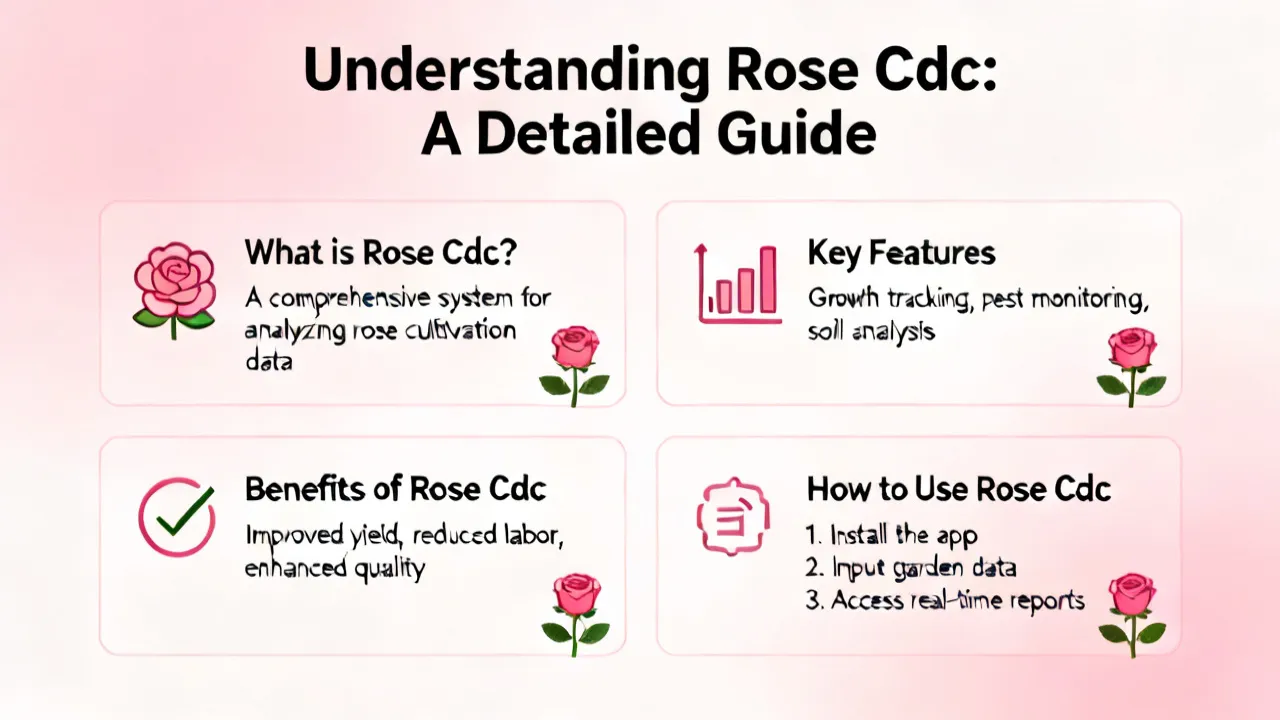
Understanding Rose Cdc: A Comprehensive Guide
This article provides an in-depth exploration of Rose Cdc, a term rapidly gaining attention in specific industries. Our discussion delves into the significance and application of Rose Cdc, its potential impact on various sectors, and expert insights into its future developments. This comprehensive analysis is designed to inform readers about the multifaceted aspects of Rose Cdc, its current applications, and potential advancements.

Understanding Compliance and AML Strategies
This article delves into the intricate realm of Compliance and Anti-Money Laundering (AML) strategies, highlighting their significance in the corporate world. Compliance AML refers to the organizational adherence to legal standards and regulations to deter financial crimes, ensuring transparent and ethical financial practices. This comprehensive guide examines these strategies' complexities and their pivotal role in safeguarding economic integrity.

Mastering Inbound B2B Strategies
The foundation of successful B2B strategies often lies in the effective implementation of inbound marketing techniques. In today's globally connected business environment, inbound B2B strategies have become critical for companies seeking to engage target audiences, optimize lead generation, and establish long-lasting partnerships. Understanding these strategies is essential for companies aiming to thrive in competitive markets.

Exploring B2B MBA Opportunities
Dive into the dynamic world of B2B MBA programs, designed for professionals seeking to enhance their strategic and management skills in a business-to-business context. This comprehensive guide discusses the significance of B2B MBAs in today's market, highlighting how these programs equip leaders with the expertise to navigate complex B2B relationships and drive business success.

Understanding Whitewater Regenerative Blowers
Whitewater Regenerative Blowers are essential in various industrial applications for their efficiency in moving air and gases. These blowers are known for their durability and ability to operate continuously, making them a preferred choice for industries ranging from wastewater treatment to aquaculture. This article explores their features, benefits, and applications, offering readers a comprehensive understanding of their importance in modern industry.

Mastering Employee Retention Strategies
Employee retention has become a critical aspect of organizational success, particularly in the dynamic landscape of 2020. As businesses strive to maintain a stable and productive workforce, understanding effective retention strategies is essential. This article delves into key methods for enhancing employee satisfaction and retention, offering a comprehensive guide for HR professionals and business leaders alike.