This guide explains how Payment Processing Systems work in real business environments, and how to choose the right setup for risk control, uptime, and customer experience. It reviews objective background on payment rails, compliance, and integration considerations, then follows with practical conditions, a step-by-step implementation approach, and expert FAQs tailored to merchants.
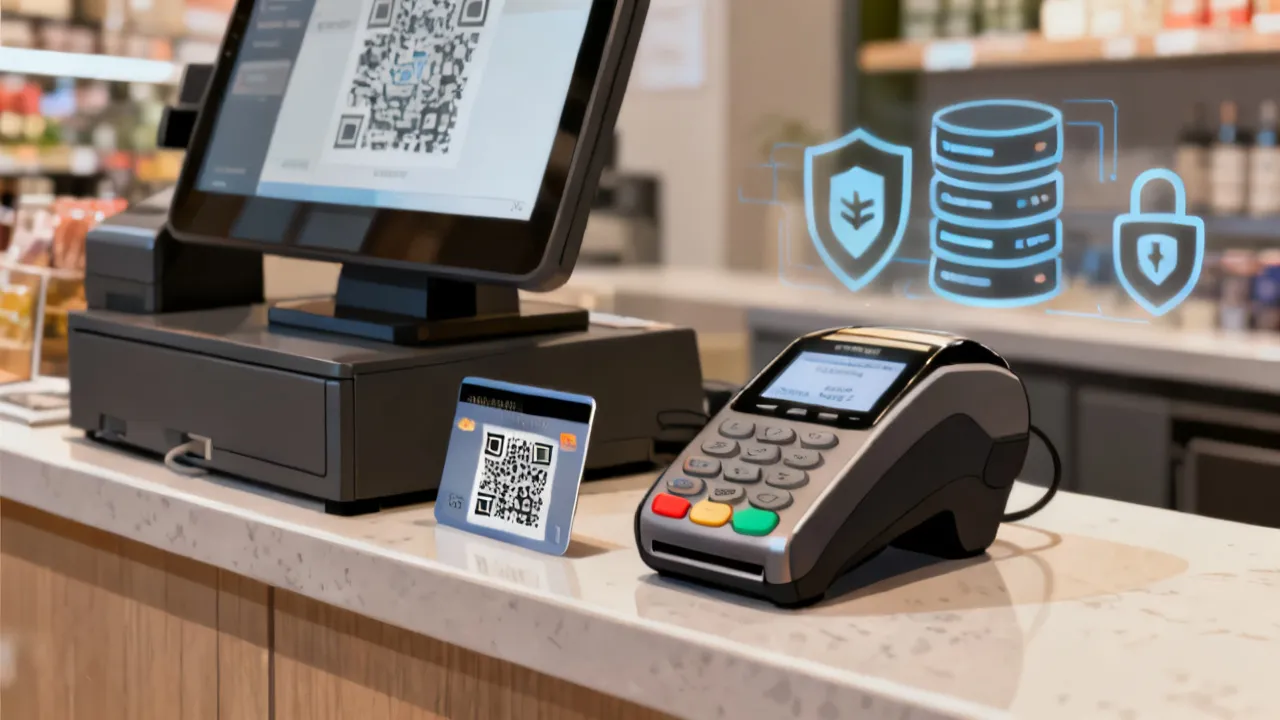
Payment Processing Systems are the operational backbone behind card payments, bank transfers, and digital checkout flows—so selecting them should start with security, reliability, and integration fit, not just fees. An expert approach evaluates how authorization, fraud screening, settlement, and reporting connect to your point of sale (POS) or ecommerce platform, including data handling and compliance responsibilities. This guide provides an objective framework to help you compare providers, define requirements, and deploy an approach that stays stable as transaction volume grows.
For very businesses, the customer’s payment moment is also the moment of truth: it determines whether a purchase is approved, how quickly funds settle, and how accurately invoices reconcile with accounting records. Payment Processing Systems coordinate multiple steps—capturing transaction data, sending it to networks and issuers, receiving authorization decisions, and later completing settlement and reporting. When these systems are mismatched with your business workflows, common symptoms appear: higher decline rates, reconciliation delays, chargeback handling gaps, or inconsistent refunds.
To understand why this matters, think about the full lifecycle of money in a retail or ecommerce context. A payment system is not only “accepting cards.” It must translate a shopper’s intent into a sequence of states (authorized, captured, settled, reversed, refunded) that downstream teams can interpret. The state machine is the heart of operational trust. If your Payment Processing System returns ambiguous or delayed status updates, finance teams are forced into manual reconciliation. Customer support receives fewer actionable signals and has to ask customers for screenshots or proof of payment. In worst cases, you can end up with duplicated orders, mismatched refunds, or disputes that are harder to defend because evidence fields are missing or poorly formatted.
From an industry perspective, the top systems reduce operational friction. They also make risk management measurable by surfacing the right signals (device, velocity, geolocation, and transaction attributes) so your fraud strategy is not based on guesswork. Even when you outsource payment operations to a processor, you still share responsibilities around merchant policy, transaction controls, recordkeeping, and dispute workflows. The processor can detect risk, but you decide acceptance policy and you own the merchant environment where risk decisions are made.
There is also a commercial angle: payment reliability affects conversion rates and customer trust. If customers experience repeated declines during checkout, they may abandon the cart, reduce brand confidence, or switch to competitors. If refunds are delayed or unclear, customers contact support, increasing cost-to-serve. And if settlement reports don’t match your internal sales records, it becomes harder to forecast cash flow and manage margins. In practice, payment infrastructure is therefore a revenue and operations lever, not merely a technical detail.
Payment processing typically combines hardware/software on your side with services provided by payment gateways, acquiring banks, and network operators. While naming can vary by region, the functional blocks usually include:
However, experienced practitioners treat the component model as a blueprint for accountability. A processor may provide the network “plumbing,” but your organization still depends on each component behaving correctly. For example, the authorization component impacts what your checkout UI tells customers. The tokenization component impacts which systems you must secure and audit. The reconciliation component impacts whether your accounts receivable and revenue recognition processes can close daily books without manual effort. The dispute and refund component impacts how quickly you can recover funds and whether evidence submissions are complete.
In addition, modern Payment Processing Systems often incorporate extra layers that are functionally important even if they sound “optional” on paper:
Knowing which of these are included—and which are optional add-ons—lets you compare providers with a sharper lens than “it supports cards.”
Merchants often ask about pricing first, but experienced operators treat pricing as part of a wider cost model. Even without quoting any specific local fee schedule here, you should compare the total cost of payment across at least four categories:
To stay objective, request a pricing schedule from each potential supplier and map it to your actual transaction mix: average ticket size, refund frequency, online vs in-store share, and international card usage (if applicable). If the supplier offers tiered pricing or incentives, examine eligibility conditions carefully and verify with written documentation.
Many merchants discover that the “cheapest” provider can become expensive once you account for edge cases and operations. For instance, a provider with low per-transaction fees might have higher dispute fees or might not provide robust webhook coverage, forcing manual reconciliation. Another provider might appear more expensive on paper but offer a better reconciliation format and a streamlined dispute evidence export—saving hours each week. In operational finance, time has a cost, and disputes can quietly become a labor-heavy function.
When you compare fee structures, also consider:
To compare fairly, build a simple model spreadsheet where you enter your monthly transaction count, average ticket, expected approval rate, expected refund rate, and expected disputes. Then compute monthly total costs under each provider’s fee schedule. This produces a decision-ready comparison that is more reliable than intuition.
“Supplier details” in payment projects are not just contact information; they are indicators of maturity and operational coverage. When comparing Payment Processing Systems, evaluate suppliers across:
In practical terms, you want fewer “black box” outcomes. Expert teams prefer systems where transaction states are clearly defined—authorized, captured, settled, reversed, refunded—so finance teams can close books without manual detective work. You should also look for transparency about failure modes. For example, if a capture fails after authorization, how does the system communicate that to your platform? Does it provide reasons or error codes that let you distinguish a transient outage from an idempotency issue? Can your team interpret these codes without guessing?
One underrated evaluation step is to review the supplier’s documentation for operational flows, not only the technical API reference. The best providers offer clear guidance on:
Another expert check is the “human layer.” During disputes, support responsiveness affects outcomes. Ask about:
Finally, evaluate the provider’s ability to scale with you. Payment Processing Systems are often stable for small volumes, but scaling exposes weaknesses: queue backlogs, rate limits, or inconsistent webhook delivery under burst traffic. Ask for information about throughput limits, rate limits, and how they recommend structuring requests. This is where “choose with confidence” becomes a practical strategy rather than marketing.
Payment Processing Systems generally integrate in one of three ways. Your choice should reflect your operational model and development resources:
Whichever route you choose, integration success depends on how well the system communicates transaction results back to your storefront/POS and how reliably it handles edge cases such as timeouts, partial approvals, or duplicate submissions.
To compare integration paths concretely, consider how each model handles the following operational realities:
Hosted checkout can reduce your compliance footprint, but you still need to ensure that metadata flows back to you accurately. API-based solutions give you more control but also require you to maintain secure client-side integrations, handle errors gracefully, and ensure your backend is resilient.
For POS integrations, you should confirm what happens when connectivity is intermittent. Some terminals queue transactions offline and sync later; others require immediate network access. Each behavior affects the user experience and reconciliation strategy. If you operate a field-service model (appointments and mobile payments), you also need to consider hardware lifecycle management and firmware update policies. A reliable Payment Processing System is one that keeps transactions consistent across the realities of your operational environment.
Modern Payment Processing Systems increasingly incorporate risk signals and fraud screening options. However, fraud performance should not be evaluated using marketing language alone. Instead, define measurable goals such as:
Then test system behavior using a controlled rollout. Start with a limited set of SKUs, payment channels, or locations; monitor outcomes; and adjust rules based on evidence. Risk strategies should be documented so your team can explain decisions during disputes. Even strong automated screening can underperform if transaction metadata is missing or inconsistent.
Fraud management also depends on business model alignment. For example:
When evaluating fraud tools within Payment Processing Systems, request clarity on:
In a mature approach, fraud screening is treated as an experiment. You implement baseline controls, measure performance, and then tune. The tuning should include operational checks: ensure declined transactions are logged cleanly, so your customer support team can tell customers whether a decline is due to bank response, risk rules, or input errors. Confusion at this step leads to unnecessary support tickets and customer frustration.
Payment ecosystems are governed by security expectations and regulations that vary by jurisdiction. A widely referenced baseline is PCI DSS. In general, minimizing your exposure to sensitive card data helps reduce compliance burden. Many Payment Processing Systems use tokenization so your systems store tokens rather than raw card numbers.
For authoritative guidance, consult:
As a practical rule, treat payment implementation as a security project: define data flows, limit access, log critical events, and enforce secure configuration throughout development and production.
To make this more operational, define who owns what. Typically, responsibility is shared:
Data security is not only about PCI DSS checklists. It’s also about preventing accidental leaks and ensuring incident response readiness. For example, you should consider:
Even if tokenization reduces PCI scope, your team may still handle sensitive payment-related data such as customer identifiers, addresses, and transaction metadata. Data protection laws may apply depending on jurisdiction. A Payment Processing System should support secure data handling and strong audit trails so you can demonstrate compliance and improve investigative capabilities.
Even when the underlying rails are global, customer payment preferences and operational norms differ by market. For example, in many consumer environments, shoppers expect fast approval feedback, clear receipts, and predictable refund timelines. In markets where cash-on-delivery or bank transfers remain common, a hybrid approach may be needed before optimizing strictly for cards or QR-based payments.
When implementing Payment Processing Systems in an “nearby” market context (e.g., servicing customers across multiple towns and commuting corridors), consider local business hours, weekend shopping patterns, and network reliability variability. Merchants often experience higher payment failures during peak events if load testing and failover planning are not performed early.
Localization is not only customer behavior; it is also operational logistics. For instance, in regions with less stable network connectivity in certain neighborhoods, payment systems may experience more timeouts, retries, and late webhooks. That impacts your order state management. You should design for eventual consistency: if payment confirmation arrives later, your fulfillment logic should wait on the finalized state rather than assuming immediate authorization.
Also consider language and messaging. Customers are more tolerant of declines when the explanation is clear and accurate. A robust Payment Processing System should provide response codes and recommended error handling so you can display appropriate messages, not generic “payment failed” screens. For ecommerce, integrate message mapping for common decline categories (insufficient funds, do not honor, incorrect CVV, risk rejection) and train support to interpret these codes.
Finally, localization intersects with fraud patterns. Some regions see higher rates of specific attack types, and issuers can behave differently based on local authentication rules. If your Payment Processing System supports configurable risk policies per region or per channel, use that capability responsibly—ideally with a testing plan and metrics.
Below is a structured guide to plan and deploy Payment Processing Systems with operational discipline.
| Phase | What to do | Conditions / Requirements |
|---|---|---|
| Discovery | Document payment channels (in-store, ecommerce, recurring), product types, refund policies, and current POS/ecommerce stack. | Maintain a transaction map (what data is collected, where it flows, and who receives it). |
| Supplier comparison | Request pricing schedules, technical documentation, SLAs, and integration options for each candidate supplier. | Verify reporting fields, dispute workflows, and tokenization approach in writing. |
| Security & compliance planning | Define PCI DSS scope reduction strategy, network segmentation, logging policies, and access controls. | Confirm data retention rules and audit trail requirements with your internal security team. |
| Architecture & integration | Choose hosted checkout vs API vs POS integration; design data exchange between your systems and the provider. | Establish idempotency handling to prevent duplicate charges during retries/timeouts. |
| Testing | Run functional tests (approvals/declines/refunds), negative tests (invalid cards, timeouts), and reconciliation tests. | Use realistic transaction mixes, including partial refunds and dispute scenarios. |
| Pilot rollout | Launch to a limited scope (one store, one category, or one payment method) and monitor key metrics. | Have a rollback plan, and define thresholds for decline spikes or settlement delays. |
| Operations enablement | Train finance and customer support on transaction statuses, refund timing, and chargeback evidence steps. | Create internal SOPs for disputes and ensure escalation paths are clear. |
| Optimization | Adjust fraud controls and acceptance parameters based on observed outcomes and dispute feedback. | Changes to risk rules should be versioned and reviewed to avoid unintended impacts. |
To strengthen the sequence above, many expert teams add three practical “workstreams” that run in parallel rather than strictly linearly: (1) data and reconciliation design, (2) customer support and dispute operations design, and (3) technical resilience design.
When these workstreams are planned early, the deployment goes smoother. Most “payment migrations” fail not because the API integration was impossible, but because operational assumptions were wrong: order states in the database didn’t match the provider’s states; refunds were applied against wrong transactions; or support teams did not have a consistent playbook for interpreting provider codes.
Even the top Payment Processing Systems fail if fundamentals are missing. Common non-negotiables include:
To make these non-negotiables actionable, you should define concrete standards before integration begins:
A subtle but critical requirement is handling “duplicate submissions.” In real-world networks, timeouts happen. When customers click “Pay” twice, your system must not create two charges for the same order. Idempotency is the mechanism, but you also need consistent frontend and backend behavior. Ensure that when you receive the final result, you lock the order state so the customer sees the correct result and your fulfillment logic doesn’t double-deliver goods.
Payment systems involve security standards and network rules that evolve over time. For objectivity, rely on official and widely adopted references:
When a supplier provides performance claims (e.g., “reduced chargebacks by X%”), validate them with evidence such as aggregated benchmarks, test methodology, and the period/timeframe referenced—then compare it to your own historical chargeback profile.
Beyond these sources, consider that “payment reliability” is also affected by operational standards and vendor practices:
For dispute readiness, also look at the supplier’s adherence to evidence standards. Evidence requirements can include proof of transaction details, authentication references where applicable, fulfillment or delivery confirmations, and refund/return documentation. If your Payment Processing System provides structured fields (and not only screenshots or raw payloads), your success in disputes improves.
To compare Payment Processing Systems fairly, focus on measurable operational characteristics rather than abstract promises. “Better” often means:
However, “better” is not always the same provider for every merchant. A small ecommerce brand with limited engineering resources might value a hosted checkout integration and clear webhook events above advanced risk rule customization. A multi-store retailer might value POS integration support, terminal management, and stable offline/online behavior. A subscription business might prioritize recurring payment reliability, mandate setup flows, and subscription dispute handling.
To compare providers with nuance, create a weighted requirements matrix. Add criteria like these:
Score each provider against each criterion based on evidence from documentation, reference calls, and pilot tests. This produces a defendable selection decision, which is especially important when multiple stakeholders (finance, security, engineering, customer support) need to agree.
A Payment Processing System is the combined set of services and tools that enables customers to pay and merchants to receive funds. It typically includes authorization, tokenization or secure data handling, settlement, reporting, and chargeback/refund workflows.
Choose based on your channel strategy. If you run ecommerce heavily or need flexible checkout experiences, gateway-led/API solutions may fit better. If you operate predominantly in-store, POS-integrated terminals and merchant account configurations can be simpler. Many businesses use a hybrid setup.
Potentially. Settlement timing depends on the acquiring bank, contract terms, transaction processing schedules, and payment states (authorization, capture, refunds). Before switching, request the provider’s settlement and report definitions so your finance team can model the transition.
Ask for a complete fee breakdown by channel (in-store vs online), card type, recurring payments (if applicable), refund handling, chargeback/dispute fees, monthly platform charges, and any minimum volume or contract conditions.
Tokenization replaces sensitive card data with tokens. This often reduces the scope of systems that handle cardholder data, which can simplify PCI DSS compliance responsibilities. Exact scope depends on your implementation details, so confirm the architecture and data flow with the provider and your compliance team.
Use a measured strategy: start with baseline controls, monitor outcomes by payment method and product category, and tune acceptance/fraud rules based on real data. Ensure transaction metadata is complete, because missing signals can lead to false declines or missed fraud signals.
Evidence requirements vary by network and reason code, but commonly include proof of transaction details, authorization evidence where applicable, delivery/fulfillment confirmation, customer communication records, and refund/return documentation. A well-designed Payment Processing System helps you gather and export the needed fields.
Yes, in many cases. The key is whether the provider’s reporting exports contain the identifiers and timestamps your accounting and reconciliation workflows require. During testing, validate how refunds, partial refunds, and voids are represented.
Without a pilot, you may discover integration failures (mismatched IDs, inconsistent status updates), unexpected decline rates, or reconciliation issues at full scale. A pilot rollout helps confirm transaction state handling and dispute readiness under real conditions.
Yes. Implement monitoring dashboards, define alert thresholds for failures and settlement delays, keep an incident escalation plan, periodically review dispute outcomes, and version-control risk rule changes. These practices make Payment Processing Systems easier to operate as volumes and product catalogs evolve.
When serving customers across an “nearby” region—multiple neighborhoods, commutable districts, or a mix of storefronts and online orders—deployment discipline matters. Ensure your testing includes realistic network conditions, peak-time transaction bursts, and consistent handling of refunds during holidays or promotional events. If your business relies on local staff to process exceptions, train them using the specific transaction statuses and workflows your Payment Processing System will present.
To make this concrete, consider the day-to-day realities of nearby operations:
Nearby operations also benefit from building a “single source of truth” for payment states within your internal systems. Instead of treating the POS terminal display as the authoritative result, design your order system to use provider webhooks and transaction reports to confirm the final state. This reduces mismatches across stores and channels and simplifies disputes when an order touches multiple locations or workflows.
In these contexts, resilience is essential. A good Payment Processing System should support graceful degradation. For example, if risk screening is temporarily unavailable, your system should not either block all payments or accept everything blindly. Instead, you should define policy: what happens if risk tools time out? Do you accept with a reduced set of controls? Do you route to a fallback endpoint? Define these behaviors in advance and include them in runbooks.
Finally, nearby operations often require careful attention to settlement reporting cadence. Finance teams might reconcile daily sales, while other businesses reconcile weekly. Confirm the provider’s settlement and reporting schedules, and ensure that your internal accounting cycle can close on time. If reconciliation depends on daily exports, confirm that exports arrive reliably and contain consistent identifiers. If a provider’s reporting includes delayed fields or inconsistent status definitions, your finance processes can suffer even if checkout performance remains good.
Payment Processing Systems are not merely checkout tools; they are a full operational workflow that connects customer payments to settlement, accounting, and dispute resolution. An expert selection process prioritizes integration correctness, security alignment, and reporting transparency—then validates performance through testing and a controlled rollout. By comparing suppliers on total cost, compliance fit, and measurable reliability criteria, you can deploy payment infrastructure that supports growth while keeping customer trust intact.
Most successful merchants treat payments as an end-to-end product: the customer experience at checkout, the stability of transaction states behind the scenes, the ability of finance to reconcile without manual effort, and the capability of support to resolve issues quickly. When these elements align, payment processing becomes a competitive advantage. When they don’t, even a low-fee processor can create operational drag that erodes margins and customer satisfaction.
Striking the Perfect Balance: Navigating Premiums and Out-of-Pocket Expenses in Senior Insurance Plans

Explore the Tranquil Bliss of Idyllic Rural Retreats

How to Make Lasting Memories at Disneyland Attractions

Affordable Phones and Plans for Seniors

Affordable Full Mouth Dental Implants Near You

Unlock the Top Kept Secrets to Finding Your Ideal Dentist for Flawless Dental Implant Results!

Discovering Springdale Estates

Unveiling RS Sul Telecom Services

The Guide to Car Trading

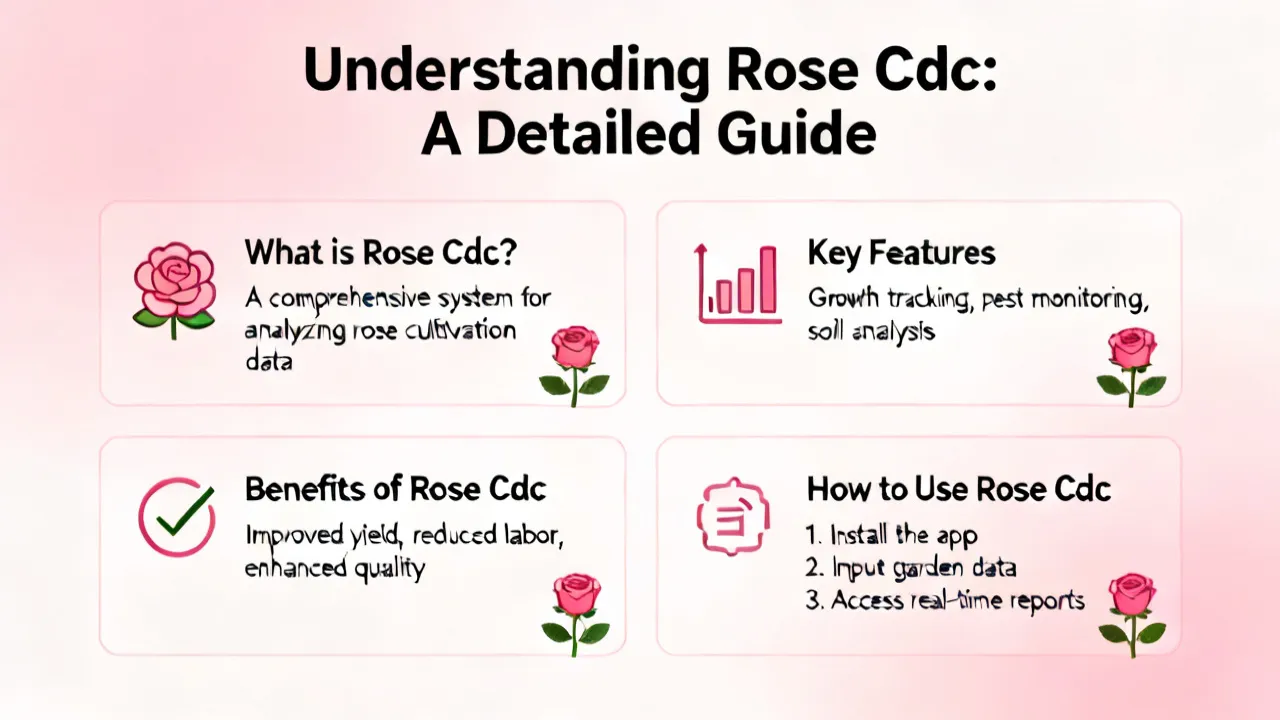
Understanding Rose Cdc: A Comprehensive Guide
This article provides an in-depth exploration of Rose Cdc, a term rapidly gaining attention in specific industries. Our discussion delves into the significance and application of Rose Cdc, its potential impact on various sectors, and expert insights into its future developments. This comprehensive analysis is designed to inform readers about the multifaceted aspects of Rose Cdc, its current applications, and potential advancements.

Understanding Compliance and AML Strategies
This article delves into the intricate realm of Compliance and Anti-Money Laundering (AML) strategies, highlighting their significance in the corporate world. Compliance AML refers to the organizational adherence to legal standards and regulations to deter financial crimes, ensuring transparent and ethical financial practices. This comprehensive guide examines these strategies' complexities and their pivotal role in safeguarding economic integrity.

Mastering Inbound B2B Strategies
The foundation of successful B2B strategies often lies in the effective implementation of inbound marketing techniques. In today's globally connected business environment, inbound B2B strategies have become critical for companies seeking to engage target audiences, optimize lead generation, and establish long-lasting partnerships. Understanding these strategies is essential for companies aiming to thrive in competitive markets.

Exploring B2B MBA Opportunities
Dive into the dynamic world of B2B MBA programs, designed for professionals seeking to enhance their strategic and management skills in a business-to-business context. This comprehensive guide discusses the significance of B2B MBAs in today's market, highlighting how these programs equip leaders with the expertise to navigate complex B2B relationships and drive business success.

Understanding Whitewater Regenerative Blowers
Whitewater Regenerative Blowers are essential in various industrial applications for their efficiency in moving air and gases. These blowers are known for their durability and ability to operate continuously, making them a preferred choice for industries ranging from wastewater treatment to aquaculture. This article explores their features, benefits, and applications, offering readers a comprehensive understanding of their importance in modern industry.

Mastering Employee Retention Strategies
Employee retention has become a critical aspect of organizational success, particularly in the dynamic landscape of 2020. As businesses strive to maintain a stable and productive workforce, understanding effective retention strategies is essential. This article delves into key methods for enhancing employee satisfaction and retention, offering a comprehensive guide for HR professionals and business leaders alike.
